
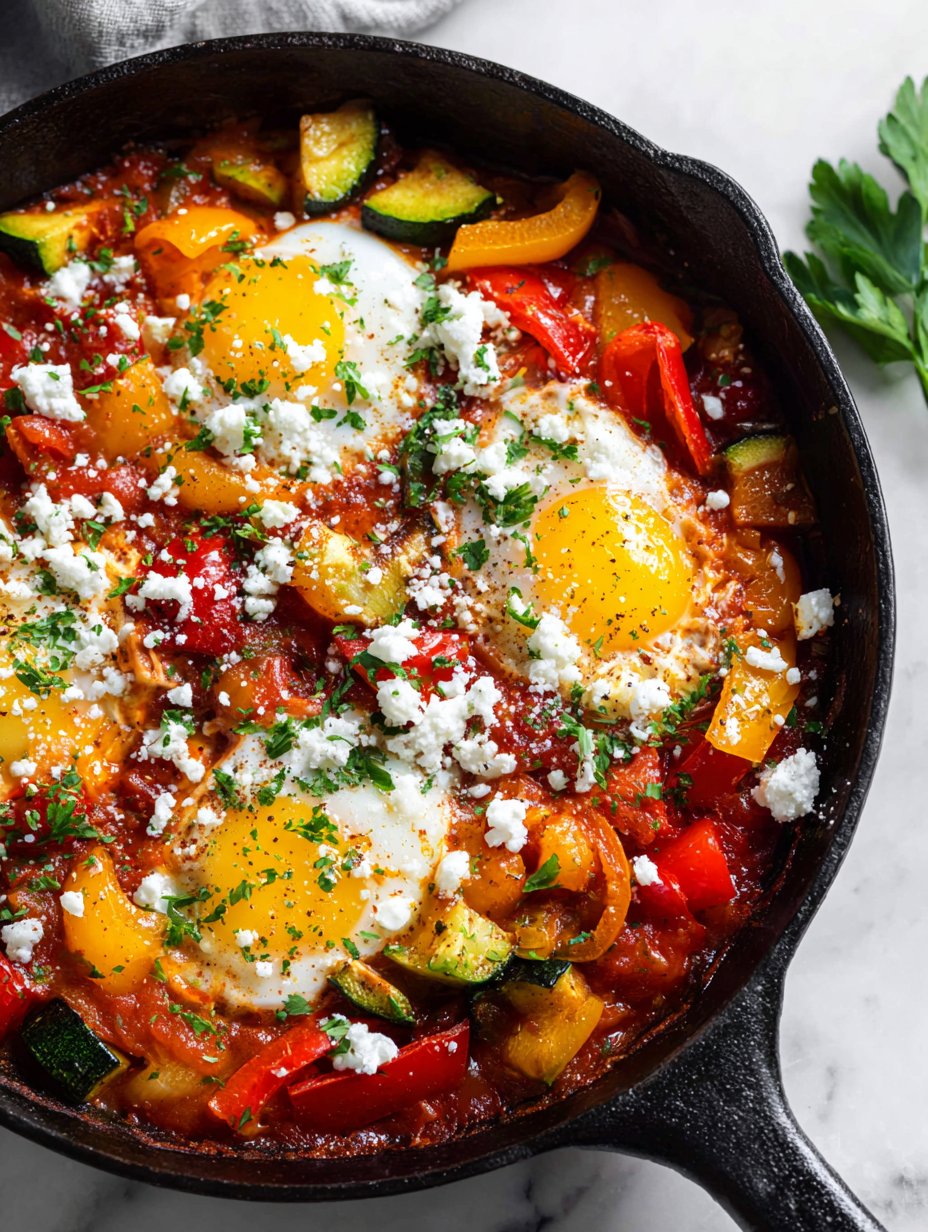
Shakshuka is one of those dishes that feels like a blank canvas, especially when you start thinking about the seasons. I love how it can become a celebration of what’s fresh—zucchini, bell peppers, even heirloom tomatoes—layered into that spicy, smoky tomato sauce. It’s a way to turn a simple breakfast or dinner into something that feels alive and packed with seasonal goodness.
What really hooks me is how adaptable this dish is. You can toss in whatever vegetables you have lying around, and it still comes out vibrant and satisfying. It’s imperfect, a little chaotic, but always comforting—like a warm hug in the middle of a busy week. Plus, it’s a dish that invites creativity, making it perfect for those moments when you want to cook with what’s in the fridge instead of sticking to a recipe.
Focusing on how shakshuka can be a flexible canvas for seasonal vegetables, turning a classic dish into a vibrant, vegetable-forward brunch or dinner that adapts to what’s fresh and available.
The Hidden Joy of Seasonal Shakshuka
- Cooking this dish always reminds me of lazy weekend mornings with the aroma of spices filling the kitchen.
- There’s a quiet pride in tossing in seasonal veggies and watching the sauce turn rich and fiery.
- I love how a simple crack of eggs can transform a humble skillet into something soulful and satisfying.
- Sharing shakshuka around the table feels like creating a little moment of warmth and chaos together.
- It’s a dish that’s imperfect and forgiving, just like the best days — a little messy, but full of flavor.
The story behind this recipe
- This shakshuka recipe is inspired by a trip I took to a small cafe in Tel Aviv, where the cook tossed in a handful of fresh herbs right at the end, and the aroma of smoky paprika and ripe tomatoes made everything feel alive. That moment stuck with me—how a simple skillet could carry so much warmth and history, wrapped up in a dish that’s both humble and bold.
- Over the years, I’ve played with ingredients, trying to capture that same sense of spontaneity. It’s become my go-to when I want something satisfying but flexible—throw in whatever veggies I have, add a dash of spice, and crack a few eggs on top. It’s a reminder that good food doesn’t need to be complicated; it just needs to be honest and cooked with a bit of love.
- heading: The personal magic of shakshuka
History and Fun Facts
- Shakshuka’s roots trace back to North Africa and the Middle East, with variations across Tunisia, Israel, and Morocco.
- The dish likely originated in the Ottoman Empire, evolving as a hearty, communal meal for farmers and workers.
- Its name means ‘a mixture’ or ‘shaken’ in Arabic, reflecting the simple, rustic preparation method.
- Historically, shakshuka was a humble dish made with pantry staples—canned tomatoes, eggs, and spices—accessible to many.
- In recent years, it has surged in popularity worldwide, often reimagined with seasonal vegetables and global spices.
Key Ingredients Breakdown
- Tomatoes: I love using ripe heirlooms for that deep, sweet tang—imagine biting into a juicy, sun-warmed fruit. If yours are less flavorful, add a splash of balsamic or a pinch of sugar to boost sweetness.
- Bell Peppers: Their smoky crunch adds a lovely contrast. Char them over high heat first for extra flavor, or skip if you’re short on time but want that sweetness.
- Eggs: Fresh eggs give the yolks a rich, runny texture that holds everything together. If you prefer firmer whites, give them a minute longer in the sauce, but don’t overcook, or they’ll turn rubbery.
- Spices: Smoked paprika and cumin are my go-to—bring warmth and depth. Adjust to your taste; a pinch more paprika adds that smoky punch that makes the dish unforgettable.
- Herbs: Fresh parsley or cilantro sprinkle on brightens everything up. If I don’t have fresh, a little dried oregano can still lift the sauce, just don’t go overboard.
- Olive Oil: Use good-quality extra virgin for that fruity aroma and silky texture. A drizzle at the end adds a fragrant finish, while a splash at the start helps build the base flavor.
- Lemon Juice: Brightens the sauce with a citrusy zing. Just a squeeze right before serving makes all the flavors pop, especially if you’re feeling a bit heavy-handed with the spices.
Spotlight on key ingredients
Tomatoes:
- I love using ripe heirlooms for that deep, sweet tang—imagine biting into a juicy, sun-warmed fruit. If yours are less flavorful, add a splash of balsamic or a pinch of sugar to boost sweetness.
- Bell Peppers: Their smoky crunch adds a lovely contrast. Char them over high heat first for extra flavor, or skip if you’re short on time but want that sweetness.
Eggs and Spices:
- Eggs: Fresh eggs give the yolks a rich, runny texture that holds everything together. If you prefer firmer whites, give them a minute longer in the sauce, but don’t overcook, or they’ll turn rubbery.
- Spices: Smoked paprika and cumin are my go-to—bring warmth and depth. Adjust to your taste; a pinch more paprika adds that smoky punch that makes the dish unforgettable.
Notes for ingredient swaps
- Dairy-Free: Skip cheese or use coconut yogurt for creaminess—won’t have that cheesy melt but still rich.
- Vegetarian: Use eggplant or zucchini instead of peppers for a softer, milder vegetable note.
- Low-Sodium: Opt for fresh tomatoes over canned, or rinse canned tomatoes well to reduce salt.
- Spice Level: Add more chili or cayenne for heat, or keep it mild by omitting the spicy peppers altogether.
- Herbs: Dried herbs like oregano or thyme can substitute fresh; use about half the amount for a similar flavor.
- Olive Oil: Avocado oil works well if you want a neutral, high-smoke-point oil—less fruity aroma, more subtle.
- Lemon Juice: Lime juice adds a slightly different brightness, with a tang that’s a bit zestier.
Equipment & Tools
- Deep skillet or cast iron pan: Handles sauce and eggs comfortably, retains heat evenly.
- Wooden spoon: Stirs ingredients without scratching cookware.
- Small bowl: Crack and hold eggs separately before adding.
- Knife: Chops vegetables and herbs efficiently.
Step-by-step guide to shakshuka
- Equipment & tools: Use a deep skillet or cast iron pan to handle the sauce and eggs comfortably. A wooden spoon for stirring, a small bowl for eggs, and a sharp knife for chopping are essential.
- Heat 2 tbsp olive oil over medium heat (160°C/320°F). Add chopped onions and cook until translucent, about 5 minutes. The smell should be sweet and fragrant.
- Stir in minced garlic and spices (1 tsp smoked paprika, 1/2 tsp cumin). Cook until fragrant, about 30 seconds. You should sense a smoky aroma rising.
- Add diced tomatoes (fresh or canned). Simmer on low (90°C/194°F) for 10-15 minutes, until the sauce thickens and deepens in color. It should look rich and slightly jammy.
- Taste and adjust seasoning. If the sauce is too acidic, stir in a pinch of sugar or a splash of balsamic vinegar. The sauce should be vibrant and balanced.
- Make small wells in the sauce with a spoon. Crack eggs one at a time into each well. Cover the skillet and cook on low heat (80°C/176°F) for 5-7 minutes. The whites should be just set, and yolks still runny.
- Check for doneness: whites are opaque and firm, yolks are glossy and slightly jiggly, and sauce is bubbling gently. If whites are runny, cook a minute longer.
- Remove from heat. Garnish with chopped herbs and a squeeze of lemon juice. Let sit for a minute for flavors to meld before serving.
- Resting & Finishing: Serve directly from the skillet. Spoon onto plates, ensuring each portion has some sauce and a runny yolk. Finish with fresh herbs and a drizzle of olive oil.
Serve shakshuka straight from the skillet, garnished with herbs and a squeeze of lemon. Let sit briefly to settle before diving in, ensuring the eggs and sauce meld beautifully on the plate.
How to Know It’s Done
- Egg whites are opaque and just set, yolks still runny.
- Sauce is thick, deep red, and fragrant with spices.
- Eggs jiggle slightly when shaken gently, indicating perfect doneness.
Seasonal Vegetable Shakshuka
Ingredients
Equipment
Method
- Heat a deep skillet over medium heat and add the olive oil, letting it shimmer as you chop the vegetables.
- Add the chopped onion to the skillet, stirring occasionally until it becomes translucent and fragrant, about 5 minutes.
- Stir in the minced garlic, smoked paprika, and cumin, cooking for about 30 seconds until the spices release their aroma.
- Add the diced tomatoes, bell peppers, and zucchini to the skillet, stirring to coat everything in the flavorful spice mixture.
- Simmer the sauce uncovered on low heat for about 10-15 minutes, until it thickens slightly and the flavors meld. Stir occasionally and taste to adjust seasoning if needed.
- Make small wells in the sauce with a spoon, then carefully crack the eggs into each well, spacing them evenly apart.
- Cover the skillet and cook on low for about 5-7 minutes, until the whites are set but the yolks are still runny. The sauce should be bubbling gently around the eggs.
- Remove from heat, then sprinkle with chopped parsley or cilantro. Squeeze a little lemon juice over the top for bright flavor if desired.
- Serve the shakshuka straight from the skillet, scooping with crusty bread or pita to enjoy the rich sauce and runny yolks.
Pro tips for perfect shakshuka
- Bolded Mini-Head: Sear the vegetables first → Develops a smoky, caramelized flavor that adds depth to the sauce.
- Bolded Mini-Head: Use ripe tomatoes → They break down easily, creating a naturally sweet and oozy base.
- Bolded Mini-Head: Crack eggs gently → Keep yolks intact and avoid breaking them during placement.
- Bolded Mini-Head: Simmer uncovered → Prevents sauce from becoming watery and concentrates flavors.
- Bolded Mini-Head: Finish with fresh herbs → Brighten the dish and add a fresh, herbal aroma right before serving.
- Bolded Mini-Head: Adjust spice levels → Taste as you go; add more paprika or chili for smoky heat, less if sensitive.
- Bolded Mini-Head: Use a lid sparingly → Cover to cook eggs evenly, but uncover to thicken the sauce and intensify flavors.
Common mistakes and how to fix them
- FORGOT to adjust heat, sauce burns and becomes bitter. Reduce heat and stir often.
- DUMPED too much water with tomatoes, sauce turns watery. Use less or simmer longer.
- OVER-TORCHED the eggs, whites tough and rubbery. Cover skillet earlier and watch carefully.
- MISSED seasoning balance, sauce tastes flat. Taste and add salt or acid as needed.
Quick fixes and pantry swaps
- When sauce is too thick, splash in a bit of water and swirl gently to loosen.
- If eggs aren’t setting, cover the skillet and cook a minute longer.
- Splash vinegar into the sauce if it tastes flat or dull.
- Patch overburnt sauce with a spoonful of fresh chopped tomatoes.
- Shield delicate eggs from direct heat to prevent overcooking and rubbery whites.
Prep, store, and reheat tips
- You can prep the tomato sauce up to a day in advance; store it in the fridge in an airtight container for 24-48 hours, and it will develop deeper, richer flavors as it sits.
- Assemble the ingredients and cook the sauce early, then refrigerate. Reheat gently on the stove, stirring occasionally, until bubbling and fragrant again—about 5-7 minutes over medium-low heat. The aroma should shimmer with smoky spices and ripe tomato scent.
- Eggs are best cooked fresh for that perfect runny yolk, but you can crack them over the sauce and refrigerate the skillet if needed. Reheat carefully to avoid overcooking whites; aim for just warmed through, about 3-4 minutes on low heat.
- The flavors deepen over time, so shakshuka tastes even better the next day—though the eggs will be less runny. Reheat in the oven at 180°C/350°F for 10 minutes or in a covered skillet over low heat until warmed and fragrant.
- Avoid freezing cooked shakshuka, as the texture of eggs and sauce may break down. It’s best enjoyed fresh or within 2 days for optimal flavor and texture, with the sauce maintaining that vibrant, smoky richness.
Top questions about shakshuka
1. How do I choose the best tomatoes for shakshuka?
Use fresh, ripe tomatoes for a naturally sweet and tangy base. If they’re less flavorful, add a splash of balsamic vinegar or a pinch of sugar to boost sweetness.
2. How do I get perfect runny yolks?
Crack eggs gently into the sauce to keep yolks intact. Cover the skillet and cook on low until whites are set and yolks are runny, about 5-7 minutes.
3. How thick should the sauce be?
Simmer the sauce uncovered to thicken it and deepen the flavor. If it gets too thick, splash in a little water and stir gently.
4. Can I make it spicier or milder?
Use smoked paprika and cumin for that smoky, warm flavor. Adjust the spice level by adding more chili if you like it spicy.
5. Can I make shakshuka in advance?
You can prepare the tomato sauce ahead of time, store it in the fridge for up to 2 days, and reheat gently on the stove.
6. What if my eggs are overcooked or undercooked?
If the eggs overcook or turn rubbery, cover the skillet earlier and reduce the heat. To fix runny whites, cook a bit longer on low heat.
7. What oil should I use for best flavor?
Use good-quality olive oil for a fruity aroma and silky texture. Drizzle fresh lemon juice at the end to brighten the flavors.
8. How do I fix watery sauce?
If sauce is too watery, simmer longer until it thickens and deepens in color. For a richer flavor, add a splash of balsamic or a pinch of sugar.
9. Can I adapt shakshuka for dietary restrictions?
For a vegetarian version, add roasted eggplant or zucchini instead of peppers. For dairy-free, skip cheese or try coconut yogurt for creaminess.
10. How do I know when shakshuka is done?
When the sauce smells smoky and the eggs jiggle slightly when shaken, it’s ready. The whites should be set, and yolks still glossy.
Shakshuka feels like a dish that holds stories in every spoonful, especially when you adapt it to what’s seasonal and fresh. It’s a reminder that simple ingredients, when treated honestly, can create something unexpectedly vibrant and comforting.
Cooking this dish now, when vegetables are bursting with flavor, makes it even more satisfying. It’s a humble, imperfect thing that invites you to enjoy the process and the flavors that come with it.

Hi, I’m Hannah Reynolds, the heart behind Seasoning Therapist. I believe food can comfort, restore, and gently reset us after a long day. I started Seasoning Therapist with one simple idea in mind: cooking is not just about feeding the body, it is about caring for the mind too. The right seasoning can change the mood of a dish, and sometimes even the mood of the person eating it. This blog is where I combine my love for thoughtful cooking with my belief that the kitchen can be a place of healing.
