
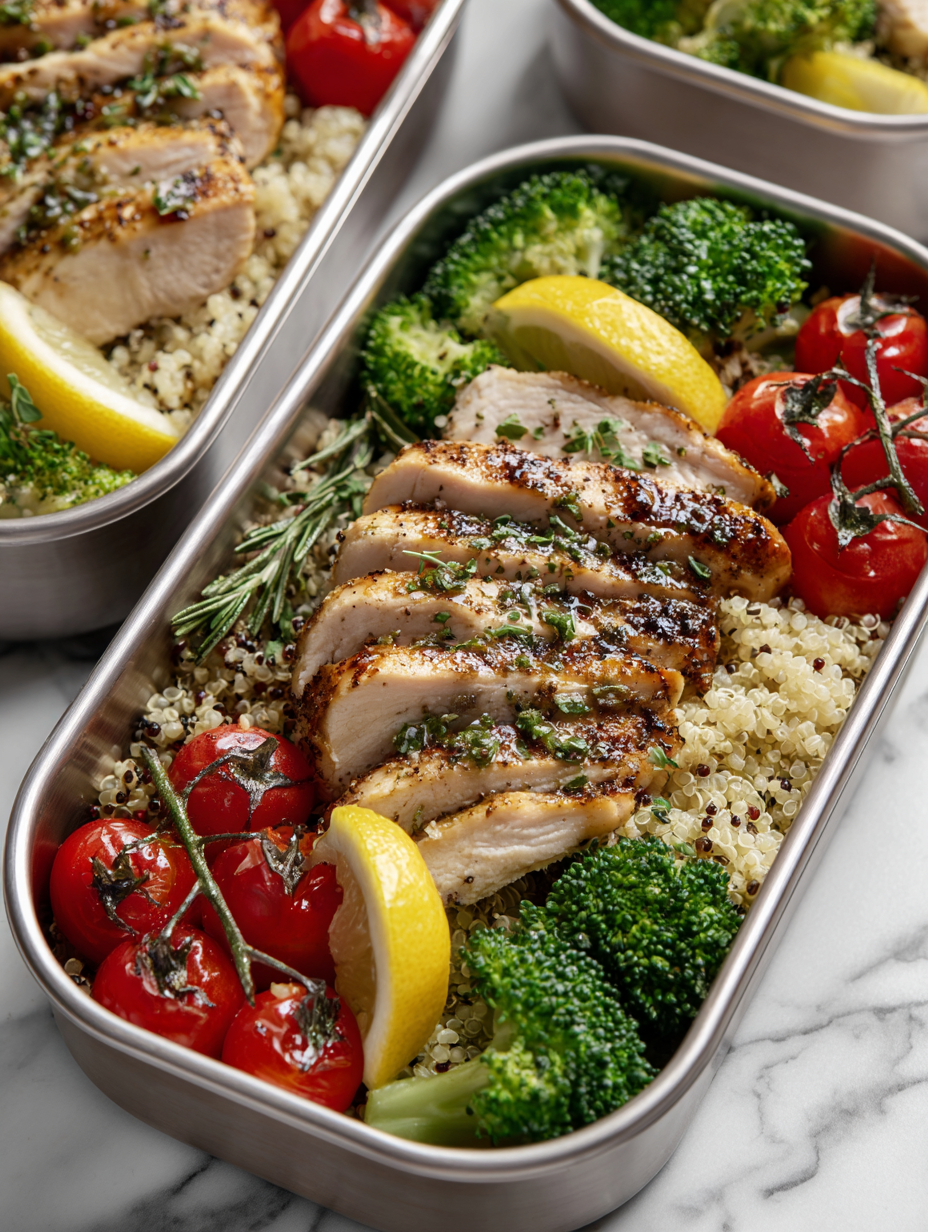
A well-crafted protein bento box is like a personal canvas, where each component is carefully chosen to create a balance of textures and flavors. It’s not just about packing in protein; it’s about making every bite interesting—crisp, tender, and creamy all at once. I love the challenge of assembling these boxes, especially when I want a meal that feels both satisfying and thoughtfully put together.
This recipe is my go-to for busy days when I want something portable yet fulfilling. It’s about turning what could be a simple lunch into a moment of mindful eating—an opportunity to enjoy a variety of tactile experiences in one container. Plus, it’s endlessly customizable, so I can adapt it to whatever proteins and vegetables I have on hand, making it a flexible, no-fuss solution.
Focusing on the art of balancing textures and flavors in a protein bento box, this recipe emphasizes the importance of tactile variety—crisp, tender, and creamy—making each bite an experience rather than just a meal. It’s about crafting a box that feels like a thoughtful gift, where each component complements the others both visually and sensorially, turning a simple lunch into a moment of mindful eating.
The story behind this recipe
- I first started making these protein bento boxes during a chaotic week when I needed something quick, nutritious, and portable. I remember the smell of roasted chicken mingling with a dash of sesame oil, the satisfaction of assembling each component perfectly balanced and colorful. That moment made me realize how much I crave a meal that’s both simple and thoughtfully arranged, a little act of care in the middle of a busy day.
- This recipe was born out of a need for versatility—something I could tweak with whatever leftovers I had. Over time, I learned that the real magic is in balancing textures: crispy veggies, tender meats, and creamy dips all in one box. It became a small ritual, packing my lunch with intention and a bit of culinary play.
- heading:
Key ingredients and tips
- Chicken breast: I prefer skinless, boneless chicken for a lean, juicy bite. If yours is a bit dry, a quick marinade helps keep it tender and flavorful.
- Quinoa: I toast it lightly before cooking—gives a nutty aroma that really kicks up the flavor. Swap with brown rice if you want a softer, more neutral base.
- Edamame: Bright green and poppy, they add a fresh, slightly sweet burst. Frozen is fine, just give them a quick boil and shock in cold water for that perfect bite.
- Cucumber: I slice it thin for a crisp, cooling contrast. If you prefer a softer texture, try marinating in rice vinegar for 10 minutes to amp up the flavor.
- Carrots: Crunchy and sweet, I like to julienne them raw but roasting adds a smoky depth if you’re feeling cozy. The raw version keeps that lively snap.
- Hummus: Creamy and indulgent, I swirl a little lemon juice into mine—brightens the flavor and keeps it from feeling too heavy. Use any bean dip if you want a change.
- Sesame seeds: Toasted lightly until golden, they add a nutty aroma and a subtle crunch. Skip if you’re allergic or prefer a milder profile.
Spotlight on key ingredients
Chicken breast:
- I prefer skinless, boneless chicken for a lean, juicy bite. If yours is a bit dry, a quick marinade helps keep it tender and flavorful.
- Quinoa: I toast it lightly before cooking—gives a nutty aroma that really kicks up the flavor. Swap with brown rice if you want a softer, more neutral base.
- Edamame: Bright green and poppy, they add a fresh, slightly sweet burst. Frozen is fine, just give them a quick boil and shock in cold water for that perfect bite.
Hummus:
- Cucumber: I slice it thin for a crisp, cooling contrast. If you prefer a softer texture, try marinating in rice vinegar for 10 minutes to amp up the flavor.
- Carrots: Crunchy and sweet, I like to julienne them raw but roasting adds a smoky depth if you’re feeling cozy. The raw version keeps that lively snap.
- Creamy and indulgent, I swirl a little lemon juice into mine—brightens the flavor and keeps it from feeling too heavy. Use any bean dip if you want a change.
Notes for ingredient swaps
- Dairy-Free: Swap hummus for avocado mash or tahini drizzle. Expect a creamier, nuttier flavor without the tang.
- Vegetarian: Replace chicken with baked tempeh or marinated mushrooms. They add hearty texture and umami that satisfy.
- Gluten-Free: Use tamari instead of soy sauce or check that your grains are certified gluten-free. Keeps it safe and still flavorful.
- Low-Sodium: Rinse canned edamame or choose unsalted versions. You’ll get fresh flavor without the extra salt hit.
- Spicy Kick: Add a splash of sriracha or hot sauce to your dips. It brings a lively heat that balances the mild ingredients.
- Herb Variations: Use fresh basil or cilantro instead of parsley. They bring a bright, aromatic lift to the box.
- Crunch Factor: Toss nuts or roasted chickpeas in with the seeds for extra crunch and protein punch.
Equipment & Tools
- Non-stick skillet: Cook the protein evenly and prevent sticking.
- Saucepan: Cook grains and blanch vegetables.
- Ice bath: Shock vegetables to stop cooking and preserve color.
- Sharp knife: Slice and julienne ingredients cleanly.
- Bento box or compartmentalized container: Organize and transport components without mixing.
Step-by-step guide to assembling
- Gather all ingredients and tools before starting. This keeps the process smooth and organized.
- Cook the protein: heat a non-stick skillet over medium heat (around 160°C / 320°F). Season your chicken or tofu. Cook until golden and cooked through, about 8-10 minutes. Check for firm texture and internal temp of 75°C / 165°F for chicken.
- Prepare grains: rinse quinoa under cold water. Toast in a dry pan over medium heat until fragrant, about 2 minutes. Cook in boiling water (1:2 ratio) for 12 minutes, until fluffy. Fluff with a fork, and let cool slightly.
- Blanch vegetables: bring a small pot of water (around 90°C / 194°F) to a gentle simmer. Add edamame and carrots. Cook edamame for 3 minutes, carrots for 2-3 minutes until bright and tender. Shock in ice water to stop cooking and maintain color.
- Assemble components: slice cooked protein into strips. Slice cucumber thinly, julienne carrots if raw. Arrange each component in separate compartments of the bento box, balancing colors and textures.
- Prepare dips and toppings: mix hummus with lemon juice, toast sesame seeds until golden (about 3 minutes), and prepare any additional garnishes or sauces.
- Finish and pack: add a dollop of hummus, sprinkle sesame seeds, and add fresh herbs if desired. Cover and let rest for 5 minutes to let flavors meld. Pack tightly to prevent shifting during transport.
Let the assembled bento sit for 5 minutes to allow flavors to settle. Finish with a sprinkle of sesame seeds and fresh herbs. Serve at room temperature or pack for later enjoyment.
How to Know It’s Done
- Protein is cooked through with an internal temp of 75°C / 165°F and has a golden exterior.
- Grains are fluffy, tender, and have absorbed all water without sticking.
- Vegetables are vibrant, tender but not mushy, and cooled rapidly to preserve color.
Protein Bento Box
Ingredients
Equipment
Method
- Start by cooking the quinoa: rinse it well, then toast it lightly in a dry skillet over medium heat until fragrant, about 2 minutes. Cook in boiling water (2:1 ratio) for 12 minutes until fluffy. Fluff with a fork and set aside to cool slightly.
- While the quinoa cooks, season the chicken breasts with salt, pepper, and minced garlic if using. Heat olive oil in a non-stick skillet over medium-high heat. Sear the chicken until golden brown on both sides, about 8-10 minutes, until cooked through and internal temperature reaches 75°C (165°F). Let rest for a few minutes, then slice into strips.
- Bring a small pot of water to a gentle simmer. Add the frozen edamame and cook for 3 minutes until bright green and tender. Drain and shock in an ice bath to stop cooking and preserve color.
- Prepare the carrots by julienning or slicing them thin. Thinly slice the cucumber as well, aiming for a crisp, refreshing texture. Arrange the vegetables in separate sections of your bento box.
- Mix the hummus with a squeeze of lemon juice to brighten the flavor. Place a dollop of hummus in one compartment of the box. Toast sesame seeds in a dry skillet over low heat until golden, about 3 minutes, then sprinkle over the hummus or vegetables for added crunch.
- Assemble the bento: arrange the sliced chicken, cooked quinoa, blanched edamame, and fresh vegetables in their designated sections. Add the hummus with sesame seeds on top or on the side for dipping. Drizzle a little olive oil over the chicken if desired.
- Finish by sprinkling additional sesame seeds and herbs if you like. Close the box securely and let sit for 5 minutes to allow flavors to meld. Serve at room temperature or pack for later enjoyment.
Pro tips for perfect bento assembly
- Sear proteins on high heat until golden to lock in juices and develop flavor.
- Toast grains lightly in a dry pan to enhance their nutty aroma before cooking.
- Shock blanched vegetables in ice water immediately to preserve vibrant color and crispness.
- Layer ingredients in the box, placing wetter items at the bottom to prevent sogginess.
- Use a sharp knife for clean slices and juliennes, making assembly easier and more appealing.
- Sprinkle sesame seeds just before packing for a fragrant crunch that won’t get lost.
- Let assembled bento sit for 5 minutes before sealing, to allow flavors to meld and ingredients to settle.
Common mistakes and how to fix them
- FORGOT to check internal temperature → Use a probe for perfect doneness.
- DUMPED ingredients in pan together → Sear proteins before adding vegetables.
- OVER-TORCHED sesame seeds → Toast on low heat, watch closely for golden hue.
- MISSED resting time → Allow protein to rest 5 minutes before slicing.
Quick fixes and pantry swaps
- When sauce is too thick, splash in warm water and stir until smooth.
- If rice sticks, dump in cold water, drain, then reheat with a splash of broth.
- Overcooked veggies? Patch with a squeeze of lemon or a drizzle of olive oil.
- Dumped seasoning? Sprinkle more salt or vinegar to balance flavors in seconds.
- When in doubt, shield delicate ingredients with foil to prevent over-torching.
Prep, store, and reheat tips
- Cook and cool proteins ahead of time; store in airtight containers for up to 3 days. The savory aroma of seasoned chicken or tofu is especially inviting after a quick reheat.
- Prepare grains and blanch vegetables the day before. Keep in separate containers in the fridge for 2-3 days. The grains will absorb flavors over time, so expect a richer, nuttier taste.
- Assemble ingredients just before packing or the night before. Keep components chilled to maintain freshness and crispness—no soggy veggies. Reassemble when ready to serve.
- Reheat proteins in a microwave or skillet until steaming hot, about 1-2 minutes. Vegetables are best enjoyed chilled or at room temp, but can be quickly warmed if preferred. Watch for steam and aroma cues to avoid overcooking.
- For longer storage, freeze cooked proteins in airtight bags for up to a month. Thaw overnight in the fridge, then reheat. Expect a slight change in texture, but flavor remains bold.
Top questions about protein bento boxes
1. What proteins work best in this bento box?
Use a good-quality, lean protein like chicken breast or tofu for the best texture and flavor. Marinate for extra juiciness.
2. How do I prepare grains properly?
Cook grains until fluffy, then let them cool before packing. They should be slightly firm, not mushy.
3. How do I keep vegetables crisp and vibrant?
Blanch vegetables in hot water for just a few minutes, then shock in ice water to keep their color and crunch.
4. Can I prepare everything ahead of time?
Store components separately in airtight containers. Assemble just before eating to prevent sogginess.
5. How do I reheat the meal without losing texture?
Reheat proteins in the microwave for 1-2 minutes until steaming hot. Keep veggies chilled or at room temp.
6. Any tips for cutting ingredients neatly?
Use a sharp knife for clean cuts, especially for julienned vegetables and sliced proteins. It makes assembly easier.
7. How can I enhance the flavors just before packing?
Add a squeeze of lemon or a drizzle of soy sauce to boost flavor right before packing.
8. Can I freeze parts of the bento for later?
Yes, you can freeze cooked proteins for up to a month. Thaw overnight and reheat gently.
9. Should I prepare dips in advance or last minute?
Mix dips or dressings just before serving to keep them fresh. Store separately if possible.
10. Why is texture important in this recipe?
Use a variety of textures—crisp, tender, creamy—to make each bite interesting and satisfy different cravings.
This protein bento box isn’t just about getting your nutrients; it’s about creating a little mindful moment in your busy day. The mix of textures and flavors keeps each bite interesting, no matter how often I make it. It’s a tiny act of care that makes lunch something to look forward to.
Plus, it’s flexible—swap ingredients based on what you have and still end up with something satisfying. When I pack these, I feel a little more intentional about what I eat, which makes all the difference. That simple joy of a well-assembled box sticks with me long after lunch.

Hi, I’m Hannah Reynolds, the heart behind Seasoning Therapist. I believe food can comfort, restore, and gently reset us after a long day. I started Seasoning Therapist with one simple idea in mind: cooking is not just about feeding the body, it is about caring for the mind too. The right seasoning can change the mood of a dish, and sometimes even the mood of the person eating it. This blog is where I combine my love for thoughtful cooking with my belief that the kitchen can be a place of healing.
