
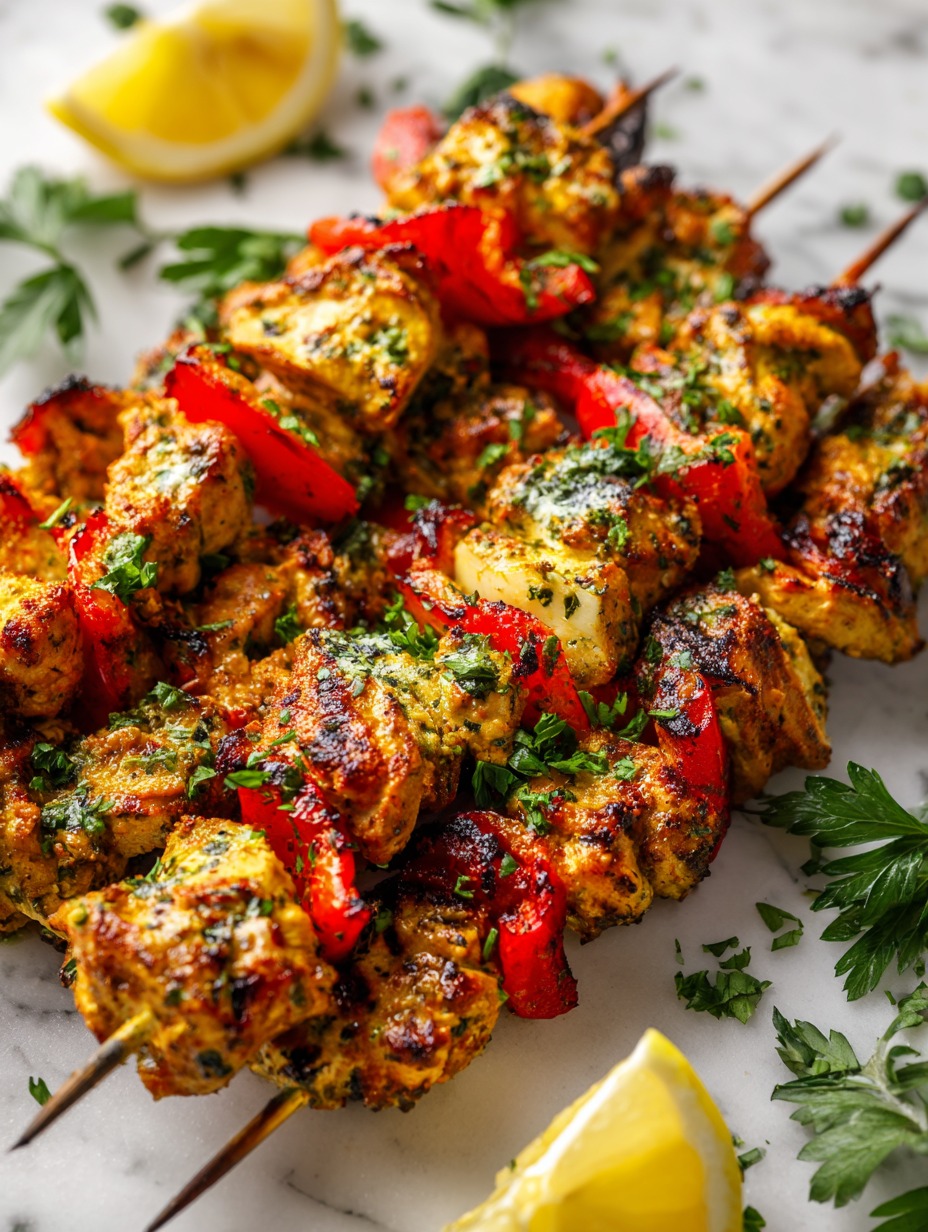
Chicken skewers are often seen as quick grill fare, but I’ve found that marinating them overnight transforms the whole dish. It’s not just about flavor—though that’s crucial—it’s about juiciness and depth you can’t get in a rushed marinade.
There’s something satisfying about waking up to the smell of garlic, lemon, and herbs seeping into the chicken, ready to be threaded onto skewers. When you take the time to let it sit, the meat becomes tender and bursting with a smoky, tangy punch that sticks with you.
This approach isn’t just practical; it’s almost a ritual. It turns a simple dinner into a moment of anticipation, making every bite feel like a reward for the patience you put in the night before.
Focusing on the overlooked importance of marinating chicken skewers overnight to unlock deeper flavor and juiciness, turning a simple dish into a memorable experience.
The inspiration behind these skewers
- This recipe was born out of a lazy weekend afternoon, when I realized I had a bunch of chicken thighs marinating in the fridge and no real plan. I threw some garlic, lemon zest, and herbs into a bag and let it sit while I did other things around the house. The next day, I threaded the chicken onto skewers and grilled them, and the flavor just knocked me over—juicy, smoky, with a bright tang that lingered.
- It reminded me how small tricks—like a good marinade—can turn a simple dish into something memorable. Since then, I’ve made these skewers countless times, always tweaking the marinade, always surprised by how much flavor deepens with a bit of patience.
- heading
- story_type
Breakdown of Key Ingredients
- Chicken thighs: I prefer thighs for their richness and juiciness; if you use breasts, add a little oil to keep them moist and avoid overcooking. The marbling makes a noticeable difference in flavor and tenderness.
- Olive oil: I always use good-quality extra virgin—it’s the base for the marinade, giving a subtle fruitiness that carries through. Skip it if you want a lighter touch, but the flavor will be less round.
- Lemon juice and zest: The brightness from lemon brightens everything—don’t skip the zest, it adds a fresh, aromatic punch. If lemons are dull, switch for lime for a sharper tang.
- Garlic: I love smashing the cloves to release their oils; it makes the marinade fragrant and punchy. If you’re pressed for time, garlic powder works, but it won’t have the same pungency.
- Fresh herbs: Parsley and oregano are my go-to, but thyme or cilantro can work depending on your mood. Use fresh for vibrant flavor—dried herbs tend to get lost in the marinade, especially if left overnight.
- Sweetener: A little honey or brown sugar balances the acidity—think of it as a flavor anchor that rounds out the marinade. Skip it if you’re aiming for a super savory skewers, but expect a sharper bite.
- Spices (paprika, cumin): I sprinkle in smoked paprika for depth and a smoky aroma—if you don’t have it, smoked chipotle powder adds a similar kick. Adjust to your preferred heat level, but don’t overdo it; the marinade should enhance, not overpower.
Spotlight on key ingredients
Chicken thighs:
- I love their juicy, marbled texture; they stay tender even if slightly overcooked. If you use breasts, watch the cooking time carefully to avoid dryness.
- Lemon: It’s not just for flavor—its bright, zesty aroma wakes up the marinade. The zest adds a fragrant punch, while the juice tenderizes and balances richness.
Lemon:
- Olive oil: Good-quality extra virgin oil adds a subtle fruitiness that helps the marinade cling and penetrate. Skip it, and the flavor might feel flatter and less cohesive.
- Lemon juice and zest: They bring a fresh, tangy brightness that cuts through the richness. The zest’s aromatic oils release during grilling, adding a fragrant, slightly citrusy punch.
Notes for ingredient swaps
- Dairy-Free: Omit yogurt or cream from marinades—use extra lemon juice or vinegar for acidity. Slightly less creamy but still tangy.
- Low-Sodium: Swap regular soy sauce or salt for reduced-sodium versions—less salt, same savory punch.
- Sweetener Alternatives: Maple syrup or agave nectar can replace honey—bring different floral or caramel notes.
- Herb Variations: Use fresh cilantro or basil instead of parsley or oregano—adds a different fragrant freshness.
- Oil Choices: Avocado oil or toasted sesame oil can replace olive oil—different nutty or smoky aromas.
- Acid Swap: Lime juice instead of lemon—brighter, slightly sharper citrus flavor.
- Spice Level: Cayenne pepper or chili flakes—add heat if you like a spicy kick, adjust to taste.
Equipment & Tools
- Skewers: To thread and cook the chicken pieces evenly.
- Mixing bowl: To prepare and toss the marinade.
- Grill or grill pan: To cook the skewers with direct heat and smoky flavor.
- Basting brush (optional): To apply extra marinade or oil during grilling.
Step-by-step guide to chicken skewers
- Gather your equipment: a good set of skewers (preferably metal or soaked bamboo), a mixing bowl, and a grill or grill pan. Preheat your grill to medium-high, about 200°C (390°F).
- Prepare the marinade: combine minced garlic, lemon juice and zest, chopped herbs, olive oil, honey, and spices in the bowl. Whisk until well blended. Let it sit for a few minutes while you prep the chicken.
- Cut chicken into 1.5-inch (4cm) cubes. If using thighs, trim excess fat but keep the meat juicy. Toss the chicken cubes in the marinade, ensuring they’re thoroughly coated.
- Thread the chicken onto skewers. Don’t pack them too tight; leave slight space for even heat. If using bamboo skewers, soak them in water for 30 minutes to prevent burning.
- Place skewers on the grill. Cook for 10-12 minutes, turning every 2-3 minutes, until the chicken is golden and slightly charred at edges. Check for a smoky aroma and a slight jiggle in the middle.
- Monitor for doneness: the internal temperature should hit 75°C (165°F). The exterior should be caramelized and fragrant, with a hint of smoky char.
- Remove skewers from heat. Let rest for 2-3 minutes; this helps juices redistribute. Serve hot, with a squeeze of fresh lemon if desired.
- Plate the skewers attractively. Garnish with chopped herbs or a drizzle of extra marinade for extra brightness.
Let the skewers rest for a few minutes off the heat. Serve over a bed of greens or with flatbread for a complete meal. Squeeze fresh lemon over just before eating to brighten the flavors.
How to Know It’s Done
- Chicken reaches 75°C (165°F) internally for safety.
- Exterior is golden-brown with visible char and caramelization.
- Aromatic smell of garlic, lemon, and smoke intensifies when cooked.
Marinated Chicken Skewers
Ingredients
Equipment
Method
- In a mixing bowl, whisk together minced garlic, lemon zest and juice, olive oil, honey, chopped herbs, smoked paprika, and a pinch of salt and pepper until well combined. This aromatic marinade will smell bright and fragrant.
- Place the cubed chicken thighs into the bowl with the marinade, tossing to coat every piece thoroughly. Cover the bowl with plastic wrap and refrigerate overnight or for at least 8 hours. During this time, the chicken will absorb flavors and become tender.
- Soak wooden skewers in water for 30 minutes if using, to prevent burning on the grill. Preheat your grill or grill pan to medium-high heat, around 200°C (390°F), until hot and ready.
- Thread the marinated chicken cubes onto skewers, leaving a little space between pieces for even cooking. Handle gently to keep the meat intact and avoid overcrowding.
- Place the skewers on the preheated grill. Cook for about 10-12 minutes, turning every 2-3 minutes, until the chicken is golden brown with slight char marks and cooked through. You’ll hear a sizzle and see the edges caramelize beautifully.
- If desired, baste the skewers with extra marinade during grilling for added flavor and moisture, using a basting brush. This helps develop a glossy, flavorful crust.
- Once cooked, transfer the skewers to a plate and let rest for 2-3 minutes. This resting period allows the juices to redistribute, keeping the meat tender and juicy.
- Squeeze fresh lemon over the skewers before serving to brighten the flavors. Serve hot, garnished with extra herbs if desired, alongside your favorite sides.
Pro tips for perfect skewers
- Use a hot grill—aim for a consistent 200°C (390°F)—to get those nice char marks quickly.
- Marinate the chicken overnight—this deepens flavor and keeps the meat juicy through the high heat.
- Thread chicken tightly but not too packed—leads to even cooking and better caramelization.
- Turn skewers every 2-3 minutes—this ensures even charring and prevents burning on one side.
- Baste with leftover marinade during grilling—boosts flavor and keeps the meat moist.
- Rest skewers for 2-3 minutes after grilling—this redistributes juices for maximum tenderness.
- Check for doneness—internal temp should reach 75°C (165°F) and exterior should be golden with slight char.
Common mistakes and how to fix them
- FORGOT to marinate overnight? Extend marinating time or use a quick marinade with stronger flavors.
- DUMPED marinade? Save some for basting during grilling to enhance flavor and juiciness.
- OVER-TORCHED skewers? Lower grill heat or move skewers to cooler side to avoid burning.
- UNDERCOOKED chicken? Return skewers to grill, turn frequently, until fully cooked and juices run clear.
Quick Fixes for Chicken Skewers
- When chicken sticks, splash with a little oil—helps release it from the grill grate.
- If skewers burn too quickly, lower the heat and move skewers to indirect heat.
- Dumped marinade? Patch with fresh herbs or a squeeze of lemon for extra flavor.
- Overcooked chicken? Rest for 2 minutes and serve immediately to lock in juiciness.
- When in doubt, swap dried herbs for fresh to boost aroma and flavor during grilling.
Prep, store, and reheat tips
- Marinate the chicken overnight in the fridge—allows flavors to deepen and meat to become incredibly tender and juicy.
- Store raw skewered chicken in an airtight container for up to 24 hours; longer may affect freshness and texture.
- Cooked skewers can be kept in the fridge for 1-2 days; reheat gently in a warm skillet or oven until heated through and aromatic.
- Reheating may soften the caramelization; aim for just warm enough to preserve moisture and flavor, with a slight smoky aroma.
- For best flavor, serve skewers soon after reheating; the scent of smoky, charred edges is most vivid when fresh.
Top questions about chicken skewers
1. Why marinate the chicken overnight?
Marinating overnight helps deepen the flavor and keeps the chicken juicy during grilling. It’s worth the extra planning.
2. Do I need to soak bamboo skewers?
Soak bamboo skewers in water for at least 30 minutes before threading to prevent burning on the grill.
3. Can I use chicken breasts instead?
Use chicken thighs for juiciness and flavor; breasts tend to dry out faster and benefit from extra marinade.
4. How do I know when chicken is fully cooked?
Aim for an internal temperature of 75°C (165°F). The meat should be firm but still juicy when done.
5. What temperature should I grill at?
Preheat your grill to about 200°C (390°F). It creates a nice sear and smoky flavor quickly.
6. Should I baste the chicken while grilling?
Baste the skewers with leftover marinade during grilling to boost flavor and keep the meat moist.
7. Why rest the skewers after cooking?
Let the skewers rest for a couple of minutes after grilling. This helps juices redistribute for maximum tenderness.
8. Can I substitute other oils for olive oil?
Use a good quality olive oil for the marinade; it adds subtle fruitiness that enhances the overall flavor.
9. What if the chicken sticks to the grill?
If the chicken sticks, splash it with a little oil or gently wiggle it free to prevent tearing.
10. How should I store and reheat leftovers?
Leftover cooked skewers can be refrigerated for up to 2 days. Reheat gently to retain moisture and flavor.
Cooking these chicken skewers feels like a small act of rebellion against rushed meals. The smoky aroma, the tang of lemon, and that tender, caramelized bite—these moments remind me why I love cooking. It’s a simple dish, but with a little patience, it turns into something memorable.
Sharing this recipe is a way to celebrate the little wins in the kitchen—marinating overnight, flipping skewers with care, and savoring every smoky, juicy bite. Sometimes, it’s the simplest ingredients and honest techniques that bring the most satisfaction. In the end, it’s all about those honest, flavorful moments that keep me coming back for more.

Hi, I’m Hannah Reynolds, the heart behind Seasoning Therapist. I believe food can comfort, restore, and gently reset us after a long day. I started Seasoning Therapist with one simple idea in mind: cooking is not just about feeding the body, it is about caring for the mind too. The right seasoning can change the mood of a dish, and sometimes even the mood of the person eating it. This blog is where I combine my love for thoughtful cooking with my belief that the kitchen can be a place of healing.
