
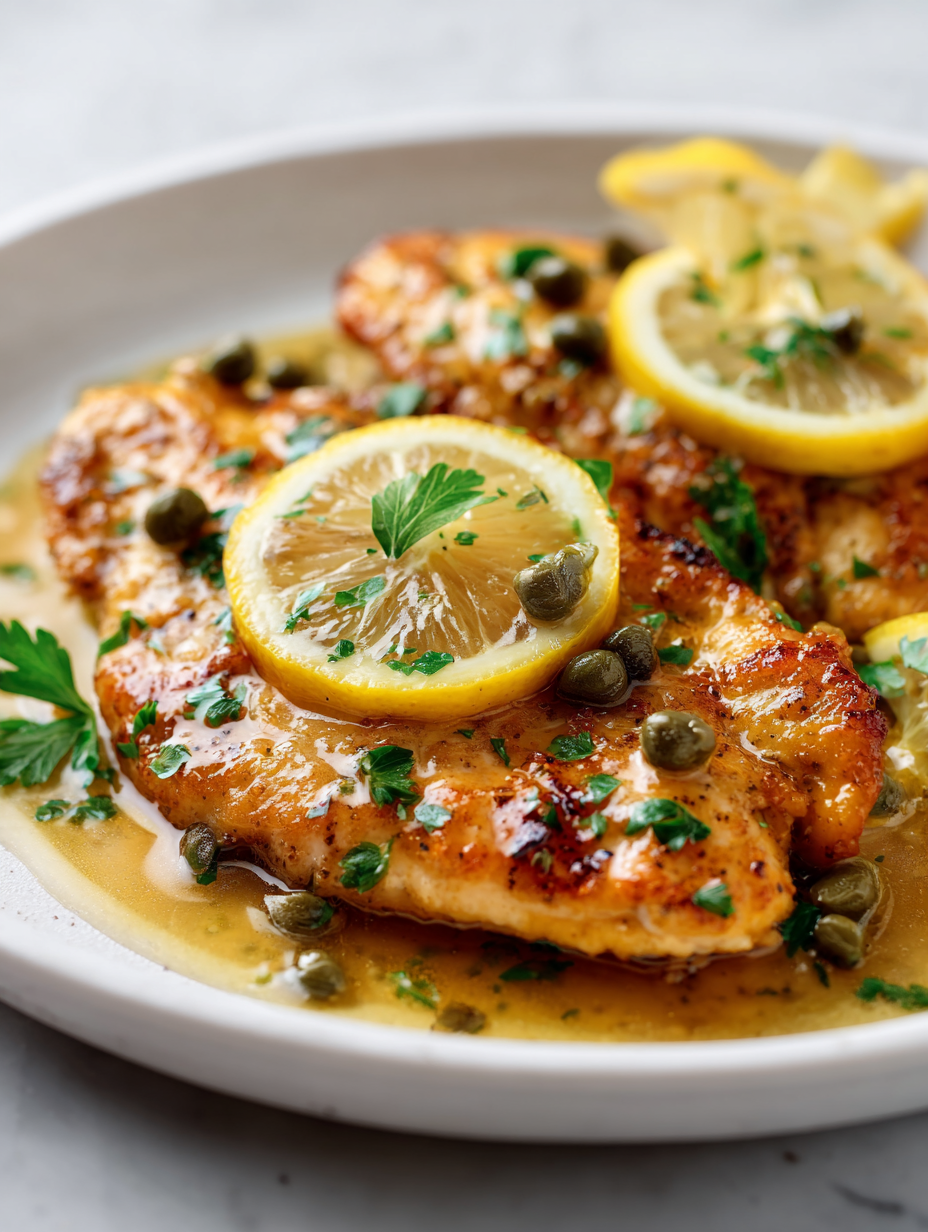
Chicken piccata is one of those dishes that feels like a bright burst of sunshine on a plate. The way the lemon juice and briny capers dance with the tender chicken makes it feel like a quick escape to Italy, right in your own kitchen. I love how simple ingredients come together into something so lively, almost like a little party for your taste buds.
What really keeps me coming back to this recipe is how adaptable it is for weeknights. No fancy equipment needed, just a skillet and a few staples. Plus, it’s a dish that tastes like you put extra care into it, even if you’re rushing. It’s a reminder that good, bold flavors don’t have to be complicated or time-consuming.
Focusing on how the bright, punchy lemon and briny capers cut through the richness of the chicken, this recipe explores balancing bold flavors quickly, making it perfect for weeknights when you want something lively and satisfying without fuss.
Bright Flavors in a Hurry
- Nothing beats the zing of that first squeeze of lemon—like a little jolt of sunshine, even on the gloomiest days.
- I used to be intimidated by capers, but now I see them as the tiny briny rebels that make this dish pop.
- There’s a strange pride I feel when I hear that satisfying sizzle as the chicken hits the pan—like I’ve finally cracked the secret code.
- Sometimes I add a splash of white wine just for that extra layer of complexity, and it always feels like a small luxury.
- This dish reminds me of lazy summer nights in Italy, even if I’m just pretending in my tiny apartment kitchen.
The story behind this recipe
- This recipe was born out of a busy weeknight craving for something bright and satisfying, but with minimal fuss. I remember the first time I made it, I was struck by how the simple combination of lemon and capers transformed plain chicken into a lively dish that felt like a little celebration. It’s one of those meals that reminds me that freshness and a punch of acidity can turn ordinary ingredients into something special.
- I’ve always loved how this dish comes together fast, but feels impressive enough to serve to guests or enjoy as a personal treat. The tangy, briny flavors make me think of seaside lunches and sunlit patios, even if I’m just in my kitchen. It’s become a go-to when I need comfort, brightness, and a quick win.
- heading: ‘The story behind this recipe’
Historical & Cultural Tidbits
- Chicken piccata has roots in Italy’s northern regions, where lemon and capers were readily available ingredients.
- The dish’s name, ‘piccata,’ comes from the Italian word for ‘sliced,’ referring to the way the chicken is pounded thin and cooked quickly.
- American versions often adapt the original by adding wine or garlic, making it more of a weeknight staple than traditional Italian fare.
Key ingredients and tips
- Chicken breasts: I prefer pounding them thin for even cooking, and they soak up that lemony sauce beautifully. If you’re short on time, buy pre-sliced or butterfly the breasts yourself.
- Lemon: Bright, zesty, and almost floral when fresh. I always zest before juicing to maximize flavor—don’t skip the zest, it’s what makes the sauce sing.
- Capers: These tiny briny rebels add that punch of salt and tang. Rinse them well to remove excess salt, or they can overpower the dish.
- Butter: I use a mix of butter and olive oil to get that glossy, rich sauce. For a lighter version, just cut back on the butter—though it won’t be quite as silky.
- White wine: Adds a subtle depth and acidity. If you’re avoiding alcohol, replace with chicken broth, but the flavor won’t be quite the same—look for a dry variety.
- Flour: Lightly dredge the chicken in flour for a crispy exterior and a thicker sauce. Use gluten-free if needed—just keep an eye on the texture, it might require a little adjustment.
Spotlight on key ingredients
Lemon:
- I love using fresh lemons for their bright, zingy aroma and zesty punch. The zest adds a floral note, while the juice cuts through richness with a punch of acidity.
- Capers: These tiny green briny rebels bring a salty, tangy burst that makes the dish lively. Rinse them well to remove excess salt and avoid overpowering the sauce.
Capers:
- Chicken breasts: I prefer pounding them thin for even cooking and better sauce absorption. Their tender, mild flavor acts as a perfect blank canvas for the bright sauce.
- These small, salty bites add a surprising briny complexity. Their firm texture and punchy flavor make the dish pop, especially when rinsed and added at the right moment.
Notes for ingredient swaps
- Dairy-Free: Swap butter for olive oil or a dairy-free margarine. The sauce will be slightly less rich, but still bright and tasty.
- Low-Sodium: Use unsalted capers and rinse thoroughly. Replace with chopped green olives for a briny punch without extra salt.
- Gluten-Free: Substitute all-purpose flour with almond flour or gluten-free baking mix. The sauce will be a tad thicker and nuttier.
- Vegan: Replace chicken with firm tofu or tempeh, and use vegetable broth instead of wine. Lemon and capers still give that punch!
- Citrus Variations: Use lime or orange juice in place of lemon for a different bright, tangy profile. Adjust the zest accordingly.
- Capers: If unavailable, try chopped green olives or pickled green beans for that salty, briny note. Rinse well to reduce excess salt.
- White Wine: Use chicken or veggie broth, or a splash of apple cider vinegar diluted with water. Keeps the acidity without alcohol.
Equipment & Tools
- Large skillet: For searing and cooking the chicken evenly.
- Tongs: To flip and handle chicken pieces without tearing.
- Shallow dish: For dredging chicken in flour.
- Lemon zester: To extract maximum lemon zest for flavor.
- Meat mallet or rolling pin: To pound chicken to even thinness.
Step-by-step guide to pan searing
- Equipment & Tools: Gather a large skillet (20cm/8-inch), tongs, a shallow dish, a lemon zester, and a meat mallet or rolling pin. The skillet is for searing, tongs for flipping, and the dish for dredging.
- Pound the chicken breasts to 1/4 inch thickness. Use the mallet or rolling pin, cover with plastic wrap for even thickness. This ensures quick, uniform cook time, about 3-4 minutes per side.
- Dredge chicken in seasoned flour, shaking off excess. This creates a crisp exterior and helps thicken the sauce later. If the flour clumps, tap the chicken gently.
- Heat a mix of olive oil and 1 tbsp butter over medium-high heat (around 180°C/355°F). When shimmering and just starting to smoke, add chicken. Sear until golden, about 2-3 minutes each side.
- Remove chicken and set aside. Deglaze the pan with 1/2 cup white wine, scraping up browned bits for flavor. Let it reduce by half, about 2 minutes, until the smell turns fragrant and slightly smoky.
- Add 1/4 cup lemon juice and 1 tbsp capers to the pan. Simmer for 2 minutes, stirring. The sauce should turn glossy and fragrant with citrus and briny notes. If it thickens too much, add a splash of chicken broth.
- Return chicken to the pan, spoon sauce over, and cook for another 2 minutes. The chicken should be heated through, and the sauce thick enough to coat. Check for a gentle jiggle and a bright, lemony aroma.
- Remove from heat. Rest the chicken for 2 minutes, letting juices redistribute. Plate with a drizzle of sauce, and garnish with fresh parsley if desired. Serve immediately for best flavor.
- Resting & Finishing: Rest the chicken briefly on a warm plate. Pour sauce over top, sprinkle with extra capers or herbs. Serve with pasta or vegetables for a complete meal.
Let the chicken rest for 2 minutes after searing. Spoon the sauce over, garnish, and plate immediately while hot. Serve with pasta or greens for balance.
How to Know It’s Done
- Chicken is golden and crisp, with no pink inside.
- Sauce is glossy, bright, and slightly thickened, coating the chicken evenly.
- Internal temperature of chicken reaches 74°C/165°F for safety.
Chicken Piccata
Ingredients
Equipment
Method
- Pound each chicken breast between two sheets of plastic wrap using a meat mallet or rolling pin until about 1/4 inch thick. This helps the chicken cook quickly and evenly while staying tender.
- Place the flour in a shallow dish and season with salt and pepper. Dredge each piece of chicken in the flour, shaking off any excess for a light, even coating.
- Heat the olive oil in a large skillet over medium-high heat until shimmering. Carefully place the chicken in the pan and cook until golden brown, about 2-3 minutes per side. Transfer to a plate and set aside.
- Add the butter to the same skillet and let it melt. Once melted and bubbling, pour in the white wine to deglaze, scraping up any browned bits from the bottom of the pan. Let the wine reduce by half, about 2 minutes, until fragrant.
- Stir in the lemon juice and lemon zest, allowing the mixture to simmer for 2 minutes until the sauce becomes glossy and slightly thickened.
- Add the rinsed capers to the pan and cook for another minute, letting their briny flavor infuse the sauce. Taste and adjust seasoning with salt and pepper as needed.
- Return the cooked chicken to the skillet, spooning the sauce over each piece. Cook for an additional 2 minutes to reheat and allow the flavors to meld.
- Remove the skillet from heat and let the chicken rest for a minute. Plate the chicken, spooning extra sauce over the top, and garnish with additional lemon zest or parsley if desired.
- Serve immediately with pasta, vegetables, or crusty bread to enjoy the bright, tangy flavors and crispy, tender chicken.
Pro tips for perfect Chicken Piccata
- Even coating: Use a light, even dusting of flour to get that crispy, golden crust without clumping.
- Lemon zest first: Zest the lemon before juicing to maximize flavor and avoid wastage of the fragrant peel.
- Pan temperature: Keep your pan at medium-high until shimmering—this prevents sticking and ensures a quick sear.
- Deglazing: Use white wine to deglaze—scrape up those flavorful browned bits for a richer sauce.
- Capers rinse: Rinse capers thoroughly to reduce excessive saltiness, balancing their briny punch.
- Rest the chicken: Let the chicken sit for a couple of minutes after cooking—this keeps it juicy and tender.
- Sauce finishing: Use a splash of cold butter at the end for a glossy, silky sauce that clings beautifully.
Common mistakes and how to fix them
- FORGOT to rinse capers → Rinse to reduce saltiness and prevent overpowering.
- DUMPED the lemon juice → Add gradually, tasting for bright, balanced acidity.
- OVER-TORCHED the butter → Use medium heat to prevent burning and achieve a glossy sauce.
- MISSED resting time → Let chicken rest 2 minutes to redistribute juices and stay tender.
Quick fixes and pantry swaps
- When sauce shimmers and shimmers, it’s ready for the chicken.
- Splash a little water if sauce reduces too much and thickens too fast.
- Patch over overcooked chicken with a quick squeeze of lemon and fresh herbs.
- Shield burnt butter by removing pan from heat immediately and starting fresh with new fat.
- If capers are too salty, rinse thoroughly or swap with chopped green olives for briny flavor.
Prep, store, and reheat tips
- You can prep the chicken by pounding and dredging it in flour up to a day ahead; keep covered in the fridge. The lemon zest and juice can be measured and ready too, stored in airtight containers for up to 24 hours—brightens the flavors immediately upon cooking.
- Cooked chicken piccata keeps well in the fridge for 1-2 days. Reheat gently in a skillet over low heat, adding a splash of water or broth to revive the sauce’s brightness and loosen it up. Expect the lemon and caper flavors to mellow slightly but still lively.
- The sauce can be made a few hours in advance; keep it chilled and covered. Reheat on low, stirring occasionally, until fragrant and hot. The flavors deepen a bit, so taste and adjust lemon or salt before serving.
- Avoid freezing the cooked dish, as the texture of the chicken will suffer and the sauce may separate. Fresh is best, but if frozen, reheat slowly and expect some loss of bright, citrusy notes. Serve immediately for optimal flavor and texture.
Top questions about Chicken Piccata
1. Can I use bottled lemon juice instead of fresh?
Use fresh lemon juice for that bright, zingy flavor. Bottled lemon juice can taste dull and flat.
2. Should I rinse the capers?
Rinsing capers removes excess salt and brine, balancing their punch. Rinsing is a must if you want a milder flavor.
3. How do I know when the chicken is fully cooked?
Cook the chicken until it’s golden and firm, about 3-4 minutes per side. It should no longer be pink inside.
4. Why do I deglaze the pan with wine?
Deglazing with wine lifts the flavorful browned bits from the pan, creating a rich, citrusy sauce. Use a dry white wine.
5. Can I use chicken thighs or tenders?
Using thinly pounded chicken ensures quick, even cooking and a tender bite. Pound to about 1/4 inch thickness.
6. How can I tell when the sauce is done?
The sauce is ready when it’s glossy, bright, and coats the chicken evenly. It should smell citrusy and briny, with no raw flour aroma.
7. How do I reheat leftover Chicken Piccata?
Reheat gently over low heat, adding a splash of broth or water to loosen the sauce. Don’t boil to prevent separation.
8. Can I make this dish dairy-free?
For a dairy-free version, replace butter with olive oil. The taste remains bright, but the sauce may be less silky.
9. Can I prepare this ahead of time?
Using pre-sliced or butterfly chicken breasts cuts down prep time. Pound to even thickness for quick cooking.
10. What if the sauce tastes off?
If your sauce looks dull or too salty, add a splash of fresh lemon juice or a pinch of sugar to balance flavors.
This dish is a reminder that even simple ingredients can come together in a lively, comforting way. The bright lemon and briny capers make every bite feel like a tiny celebration, perfect for any night that needs a little sparkle.
In the end, it’s those small, honest moments in the kitchen—like hearing that satisfying sizzle or tasting that perfect balance—that make cooking so rewarding. This recipe isn’t just about flavor; it’s about capturing a moment of joy in a quick, unpolished way.

Hi, I’m Hannah Reynolds, the heart behind Seasoning Therapist. I believe food can comfort, restore, and gently reset us after a long day. I started Seasoning Therapist with one simple idea in mind: cooking is not just about feeding the body, it is about caring for the mind too. The right seasoning can change the mood of a dish, and sometimes even the mood of the person eating it. This blog is where I combine my love for thoughtful cooking with my belief that the kitchen can be a place of healing.
