
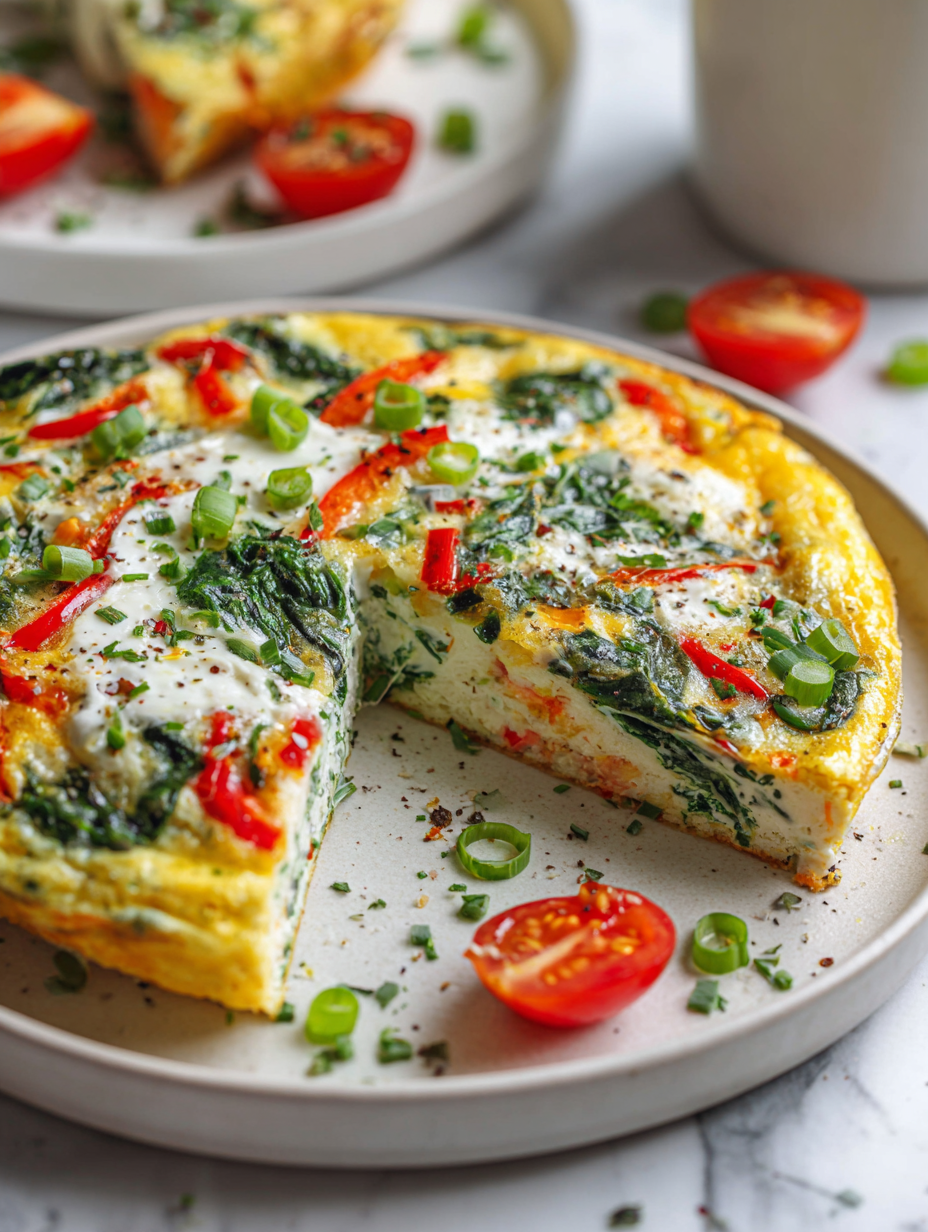
Focusing on a light, protein-packed breakfast that’s easy to customize with seasonal vegetables and herbs, perfect for mornings when you want something nourishing but not heavy. I’ve found that using just egg whites transforms the texture into something fluffy and delicate, making it feel indulgent without the guilt.
This recipe isn’t just about keeping it light; it’s about celebrating the simplicity of good ingredients coming together. It’s a quick weekday fix but also elegant enough for weekend brunch with a sprinkle of fresh herbs on top.
Over the years, I’ve played around with different fillings, but the egg white frittata always feels like a blank canvas—ready for whatever vegetables or herbs I have on hand. It’s honest, straightforward, and honestly, a bit addictive in its gentle, airy bite.
Focusing on a light, protein-packed breakfast that’s easy to customize with seasonal vegetables and herbs, perfect for mornings when you want something nourishing but not heavy. I’ve found that using just egg whites transforms the texture into something fluffy and delicate, making it feel indulgent without the guilt.
The surprising versatility of egg whites
- Using only egg whites feels like giving the dish a gentle hug, light yet satisfying.
- I love how this frittata becomes a blank canvas—whatever veggies or herbs I have, it works.
- There’s a weird comfort in its simplicity, like a quiet breakfast I can always count on.
- It’s a small victory to turn a handful of ingredients into something nourishing and bright.
- This recipe reminds me that sometimes, less really is more, especially in the mornings.
The story behind this recipe
- This recipe came from a morning when I was rushing out the door but still wanted something nourishing. I remembered a brunch I had years ago where a light, fluffy egg white frittata was served with a burst of fresh herbs and bright vegetables. That memory stuck with me—how simple ingredients could feel so satisfying without feeling heavy.
- One weekend, I decided to experiment with just egg whites, thinking it might be a good way to get protein without the richness. Turns out, the airy texture makes it feel indulgent, like a cloud on my plate. It became a quick go-to when I needed breakfast that felt light but still kept me full.
- Since then, I’ve kept tweaking it—adding seasonal veggies, fresh herbs, even a dash of hot sauce. It’s become my little ritual, a way to start the day honestly grounded and fresh, no matter how chaotic mornings get.
Historical and Cultural Tidbits
- Egg white dishes date back to classical French and Mediterranean cuisines, where they were prized for their lightness.
- The idea of using only egg whites for health reasons gained popularity in the early 20th century, especially among fitness enthusiasts.
- This recipe echoes the classic ‘clafoutis’ style, where airy egg whites create a delicate, souffle-like texture.
- In recent years, the rise of low-fat, high-protein diets has pushed egg white recipes like this into the spotlight for breakfast.
Ingredient breakdown
- Egg whites: I find their gentle, bubbly foaminess turns the frittata into a cloud-like bite. Skip yolks for a lighter feel, but add a pinch of salt to boost flavor.
- Vegetables: Fresh spinach or zucchini lend a subtle sweetness and moisture. Chop them small so they cook through without sogginess. Use what’s in season for vibrant flavor.
- Cheese: A sprinkle of feta or Parmesan adds a salty punch and creamy texture that contrasts the airy eggs. Go light if you’re watching salt intake, but don’t skip the cheese entirely.
- Herbs: Fresh basil or chives brighten the dish with a fragrant, herbal note. Finely chop to release their oils and avoid overpowering the delicate eggs.
- Olive oil: A quick brush in the pan helps prevent sticking and adds a mild fruity aroma. Use a good quality oil for a richer flavor that complements the eggs.
- Salt & pepper: Essential for seasoning, but be conservative with salt until the end to avoid over-seasoning. Freshly cracked pepper adds a subtle heat and texture.
- Optional toppings: A drizzle of hot sauce or a squeeze of lemon at the end can lift the dish with a zing, making each bite feel fresh and lively.
Spotlight on key ingredients
Egg whites:
- I love how they whip into a bubbly, cloud-like foam, giving the frittata its airy texture. Skip the yolks for a lighter breakfast, but add a pinch of salt to boost flavor.
- Egg whites behave differently than whole eggs—they cook faster and need gentle handling. Watching their transformation from liquid to firm is satisfying, especially when they start to set around the edges.
Vegetables:
- Fresh spinach or zucchini add subtle sweetness and moisture. Chop small so they cook evenly and don’t weigh down the delicate egg whites. Their bright, fresh aroma perks up the dish with each bite.
- Vegetables release moisture as they cook, so squeezing out excess water from leafy greens or pre-cooking watery veggies helps keep the frittata from becoming soggy. Their crisp-tender texture contrasts beautifully with the fluffy eggs.
Notes for ingredient swaps
- Dairy-Free: Use dairy-free cheese or omit cheese altogether—your frittata will still be light and delicate, but with a slightly different flavor profile.
- Vegetarian: Swap out any meat or protein fillings for extra vegetables or a handful of fresh herbs—keeps it bright and fresh.
- Low-Sodium: Use low-sodium cheese or reduce added salt—still flavorful with herbs and a squeeze of lemon.
- Gluten-Free: No bread needed here, so you’re good—just ensure your vegetables are fresh and rinsed if pre-packed.
- Vegan: Replace eggs with a chickpea flour batter or tofu scramble—texture will change, but still satisfying with vibrant toppings.
Equipment & Tools
- 10-inch ovenproof skillet: To cook and finish the frittata in the oven
- Whisk: To beat the egg whites until frothy
- Spatula: To stir vegetables and assist in serving
- Mixing bowl: To whisk the egg whites and season
Step-by-step guide to egg white frittata
- Gather your equipment: a 10-inch ovenproof skillet, a whisk, a spatula, and a mixing bowl. Preheat your oven to 180°C (350°F).
- In the mixing bowl, whisk 4 egg whites until frothy and slightly bubbly, about 30 seconds. Season with a pinch of salt and pepper.
- Chop 1 cup of seasonal vegetables—like spinach, zucchini, or bell peppers—into small, uniform pieces for even cooking.
- Heat 1 tablespoon of olive oil in the skillet over medium heat (about 160°C/320°F). Once shimmering, add the chopped vegetables, sauté until just tender, about 3-4 minutes. They should smell bright and fresh.
- Pour the egg whites evenly over the sautéed vegetables in the skillet. Let cook without stirring, about 2 minutes, until the edges start to set and turn slightly golden.
- Reduce heat to low, then transfer the skillet to the preheated oven. Bake for 10-12 minutes, or until the top is puffed, slightly golden, and a toothpick inserted in the center comes out clean. The frittata should jiggle just a little when nudged.
- Remove from oven and let rest for 2 minutes. The residual heat will finish setting the top and keep it fluffy. Finish with a sprinkle of cheese or herbs if desired.
- Slice and serve directly from the skillet or carefully transfer to a plate. The surface should be lightly golden, with a tender, airy interior and fragrant vegetable aroma.
Let the frittata rest for 2 minutes outside the oven. Slice into wedges and serve warm, garnished with fresh herbs or a drizzle of hot sauce if desired. The resting helps the structure set, making it easier to slice cleanly.
How to Know It’s Done
- Edges are golden and slightly crisp, with a puffed top.
- Center is set but still slightly jiggly, not runny.
- A skewer or toothpick inserted in the center comes out clean.
Egg White Vegetable Frittata
Ingredients
Equipment
Method
- Gather your equipment: a 10-inch ovenproof skillet, a whisk, a spatula, and a mixing bowl. Preheat your oven to 180°C (350°F).
- In the mixing bowl, whisk the egg whites until they become frothy and slightly bubbly, about 30 seconds. Season with a pinch of salt and pepper.
- Chop your chosen vegetables into small, uniform pieces so they cook evenly and won’t weigh down the delicate eggs. Set aside.
- Heat the olive oil in the skillet over medium heat until shimmering and fragrant. Add the chopped vegetables and sauté until just tender, about 3-4 minutes. You’ll notice the vegetables releasing their aroma and softening.
- Pour the whipped egg whites evenly over the sautéed vegetables in the skillet. Let cook undisturbed for about 2 minutes, watching as the edges start to set and turn slightly golden.
- Reduce the heat to low and transfer the skillet to the preheated oven. Bake for 10-12 minutes, until the top is puffed, lightly golden, and a toothpick inserted in the center comes out clean. You’ll hear gentle bubbling and see the surface rise.
- Remove the skillet from the oven and let the frittata rest for about 2 minutes. The residual heat will finish setting the structure, and the surface will look fluffy and inviting.
- Sprinkle with cheese and chopped herbs for added flavor, then slice into wedges directly in the skillet or transfer to a plate. The final dish should be tender, airy, with a lightly crisp, golden top and vibrant vegetable accents.
Pro tips for fluffy frittata
- Whip egg whites until soft peaks form—airy texture makes all the difference.
- Sauté vegetables until just tender and fragrant—brightens the flavor and avoids sogginess.
- Use a gentle touch when pouring egg whites—preserves their fluffy volume and prevents deflation.
- Keep an eye on the edges—golden and slightly crisp signals it’s nearly ready for the oven.
- Rest the frittata for 2 minutes after baking—helps set the structure and makes slicing easier.
- Finish with a light sprinkle of herbs or cheese—adds flavor without weighing down the delicate eggs.
- Don’t overbake—just until the top is puffed and set, for a tender, airy bite.
Common mistakes and how to fix them
- FORGOT to preheat the oven → Ensure oven reaches 180°C (350°F) before baking.
- DUMPED the vegetables directly into the eggs → Sauté vegetables first for better flavor and texture.
- OVER-TORCHED the frittata → Remove when edges are golden and top is puffed, not dark.
- MISSED the resting step → Rest for 2 minutes to set the structure before slicing.
Quick fixes and pantry swaps
- If the frittata is too runny, splash a little extra beaten egg whites and bake 2 more minutes.
- When edges brown too quickly, shield with foil and lower oven temperature slightly.
- Patch a soggy bottom by placing under a broiler for 30 seconds—watch carefully for crispness.
- DUMPED too much salt? Rinse the vegetables before cooking to reduce saltiness.
- When the top isn’t puffing up, increase oven heat slightly or give it a quick broil for shimmer.
Prep, store, and reheat tips
- Prepare the vegetable fillings and chop herbs ahead—store in airtight containers in the fridge for up to 2 days, keeping them vibrant and crisp.
- Whisk egg whites in advance and keep covered in the fridge for up to 24 hours—this keeps them bubbly and ready for quick mixing.
- Cook the vegetables partially or fully, then refrigerate for up to 2 days—reheat briefly to revive their aroma and moisture before adding to the eggs.
- Store leftover cooked frittata in an airtight container in the fridge for up to 3 days—reheat gently in the oven or microwave until just warm, watching for fluffy texture and fragrant aroma.
- Reheat the frittata slowly at 150°C (300°F) for about 10 minutes—look for steady warmth and a slight puff on top, avoiding dryness or overcooking.
Top questions about egg white frittata
1. How do I prevent the egg whites from sticking?
Use a non-stick skillet and cook on medium-low heat to prevent sticking and over-browning.
2. Should I whip the egg whites until stiff peaks?
Whisk egg whites just until frothy, then stop—over-beating can make them collapse and deflate.
3. What’s the best way to prepare vegetables for the frittata?
Cook vegetables until just tender; overcooked veggies release too much water, making the frittata soggy.
4. How do I know when the frittata is done baking?
Bake until the top is puffed and golden, and a toothpick inserted in the center comes out clean.
5. Why should I rest the frittata after baking?
Let it rest for at least 2 minutes after baking to help set the structure before slicing.
6. Can I add cheese or herbs to the egg whites?
Feel free to add herbs or cheese at the end for extra flavor—just keep it light to preserve fluffiness.
7. How long can I store leftover frittata?
Store leftovers in an airtight container in the fridge for up to 3 days; reheat gently to keep fluffiness.
8. What’s the best way to reheat the frittata?
Reheat in a low oven or microwave until warm, watching for dry edges or loss of airiness.
9. What vegetables work best in this frittata?
Use seasonal vegetables like zucchini, spinach, or bell peppers for vibrant, fresh flavors.
10. What should I do if my frittata is too wet?
If the frittata is too runny, add a bit more whipped egg whites and bake a few extra minutes.
This egg white frittata is my go-to when I need a quick, satisfying breakfast that won’t weigh me down. Its light, fluffy texture and fresh vegetable notes make it feel like a small celebration on a busy morning. Honestly, it’s one of those recipes I keep coming back to because it’s simple but feels special.
Every time I make it, I’m reminded that good ingredients and a bit of gentle care turn a humble dish into something memorable. It’s not just about eating well; it’s about appreciating those small moments of calm and nourishment, even on hectic days.

Hi, I’m Hannah Reynolds, the heart behind Seasoning Therapist. I believe food can comfort, restore, and gently reset us after a long day. I started Seasoning Therapist with one simple idea in mind: cooking is not just about feeding the body, it is about caring for the mind too. The right seasoning can change the mood of a dish, and sometimes even the mood of the person eating it. This blog is where I combine my love for thoughtful cooking with my belief that the kitchen can be a place of healing.
