
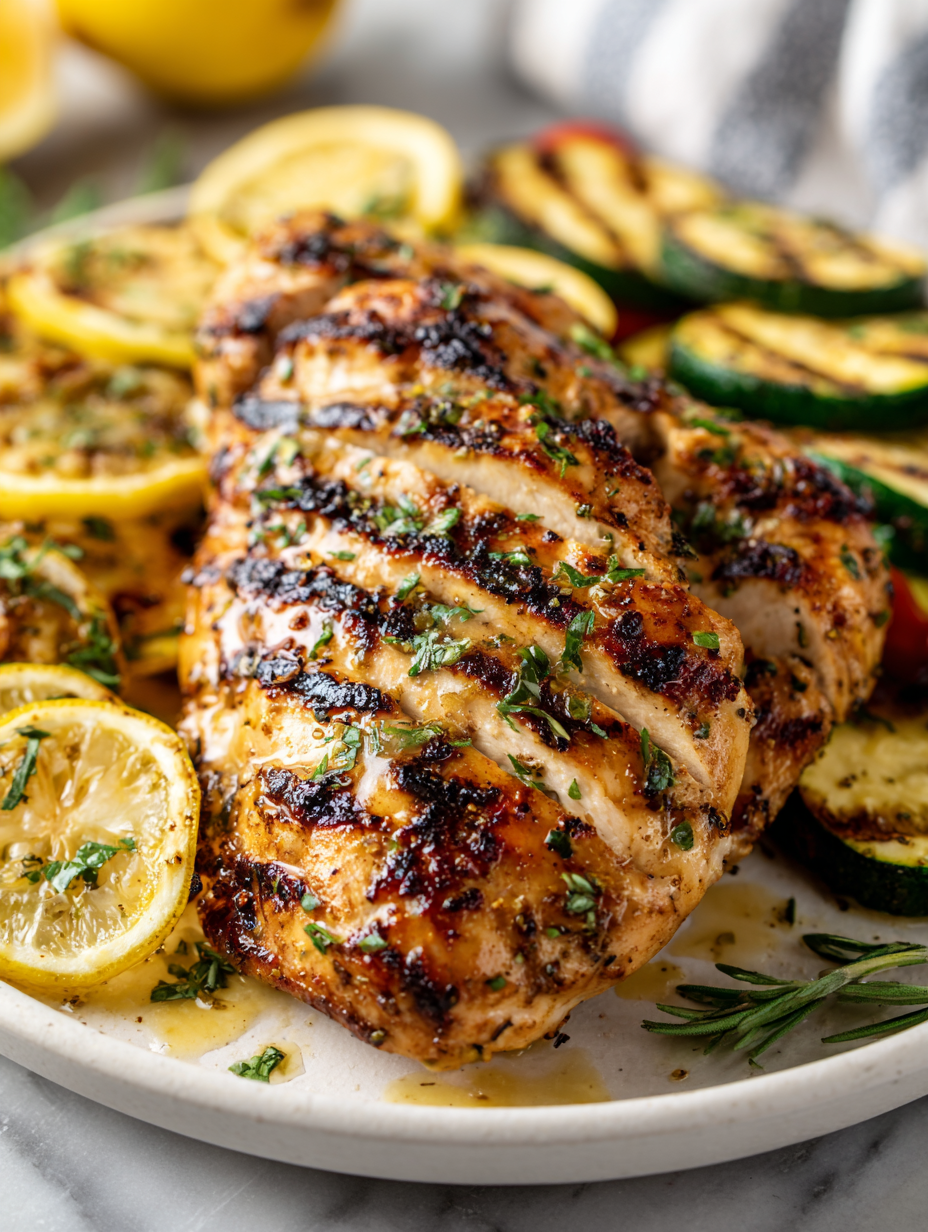
Many folks overlook the chicken breast as just a quick protein option, but I’ve found that a simple, thorough marinade can really turn it into something special. It’s not about fancy ingredients, just enough salt, a splash of citrus, and a whisper of herbs to wake up the mild flavor. A little patience with the seasoning makes every bite juicy and flavorful, not bland or dry.
Grilling it just right—hot enough to sear but not char—is the key. I’ve ruined plenty of chicken in the past, but now I pay attention to that initial sizzle and the color it gets. It’s honestly about respecting the process, letting the marinade do its work, and knowing when the chicken is perfectly cooked—no pink, no rubber, just tender, smoky bites.
This recipe isn’t just about dinner; it’s about reclaiming the humble chicken breast as the star of the plate. When seasoned well, it can carry a meal, hold up in salads, or be a quick, satisfying snack. It’s my go-to when I want something straightforward but flavorful, especially in busy weeks when I need something reliable but still crave real taste. And honestly, it’s a reminder that simple can be superb if you give it a little love.
So, I’m sharing this because I think everyone deserves to know the joy of a perfectly grilled chicken—juicy, fragrant, with that irresistible smoky crust. It’s one of those recipes that feels like a small victory every time you nail it, and once you get the hang of the seasoning and timing, it’s a no-fuss, endlessly adaptable staple.
Focusing on the overlooked importance of seasoning the chicken breast thoroughly before grilling, highlighting how a simple marinade can elevate the flavor and juiciness, making it a standout in everyday meals.
The overlooked magic of seasoning
- Seasoning the chicken thoroughly is my secret to juicy bites that don’t dry out on the grill.
- I used to overcook chicken until it was rubbery, but now I rely on temp and visual cues for perfect doneness.
- The smell of marinade and smoky grill makes my backyard feel like a small celebration every time.
- Getting that crispy, caramelized crust is a small victory that keeps me coming back to this simple recipe.
The story behind this recipe
- I remember the first time I truly tasted a grilled chicken breast that was juicy and flavorful, not dry and bland. It was at a small backyard cookout, where I watched a friend sprinkle salt and herbs with a confidence I hadn’t mastered yet. That moment made me realize how simple seasoning can turn a humble piece of chicken into something memorable.
- Since then, I’ve been obsessed with perfecting that balance—marinade, heat, and timing—all to get that smoky crust and tender inside. It’s become my go-to for weeknights when I want quick, satisfying protein that doesn’t compromise on flavor. Honestly, it’s about respecting the chicken and giving it a little love before the heat hits.
- heading: The magic of simple seasoning
Historical & Cultural Trivia
- The technique of grilling chicken dates back to ancient civilizations, where open-flame cooking was used for communal feasts.
- Marinating chicken before grilling became popular in the Mediterranean region, enhancing flavor and tenderizing the meat.
- The simple chicken breast as a staple protein gained worldwide popularity in modern health and fitness movements, emphasizing lean eating.
- Grilled chicken recipes have evolved from rustic outdoor cookouts to sophisticated culinary presentations, reflecting cultural influences.
Key ingredients and tips
- Chicken breast: I pick fresh, thick-cut breasts with even thickness for uniform cooking—firm and plump, not rubbery. Swap with turkey breast if you prefer a leaner option, but keep in mind it can be a bit drier.
- Salt: I use coarse sea salt to draw out moisture and enhance flavor; don’t skimp, it’s the foundation of seasoning. For a lower-sodium version, try a light sprinkle of potassium salt, but watch the seasoning balance.
- Lemon juice: Brightens the marinade and tenderizes slightly; I love that zesty, oozy aroma. Lime works well too if you want a different citrus punch, but avoid overpowering the chicken’s natural flavor.
- Olive oil: Adds juiciness and helps prevent sticking on the grill; I favor extra virgin for that fruity aroma. Avocado oil can be a smoky alternative with a milder scent, good for high heat.
- Herbs (thyme, rosemary): I prefer fresh, fragrant sprigs for that earthy, aromatic lift. Dried herbs can work in a pinch, but they won’t deliver quite the same vibrant punch—crush them slightly to release oils.
- Garlic: I mince fresh garlic for a punch of savory, pungent flavor; it caramelizes beautifully on the grill. If pressed for time, garlic powder can work, but it’s less vibrant and more uniform.
- Black pepper: I use freshly cracked pepper for a subtle heat and complex aroma; grind it just before using. Pre-ground pepper is fine, but it tends to be dull and less aromatic, so don’t skip the fresh grind.
Spotlight on key ingredients
Chicken breast:
- I pick plump, even-thickness breasts; they cook evenly and stay juicy. Swap with turkey breast if you want leaner, but it can dry out faster.
- Salt: I use coarse sea salt to draw out moisture and boost flavor; don’t skimp. For lower sodium, try a pinch of potassium salt, but adjust seasoning accordingly.
Lemon juice:
- Brightens everything, tenderizes, and adds a zingy, oozy aroma that wakes up the mild chicken. Lime can work if you want a different citrus punch, but keep it fresh and vibrant.
- ingredient
Notes for ingredient swaps
- Dairy-Free: Skip butter or creamy marinades—use extra olive oil for moisture, but expect a slightly less rich flavor.
- Low-Sodium: Use half the salt or a salt substitute; the chicken may taste a bit milder but still flavorful with herbs and citrus.
- Herb Variations: Fresh thyme or rosemary can be swapped for basil or oregano—each adds a different aromatic note.
- Citrus Swap: Lime or orange juice can replace lemon—each gives a unique brightness, so choose based on your mood.
- Oil Choices: Avocado or grapeseed oil can replace olive oil—milder flavor, higher smoke point, still good for grilling.
- Garlic Alternatives: Garlic powder or shallots can be used if fresh isn’t available—less pungent but still savory.
- Pepper: White pepper or chili flakes can substitute black pepper—different heat and aroma profiles, customize to taste.
Equipment & Tools
- Grill: Provides direct heat and smoky flavor for searing and cooking.
- Tongs: Turns the chicken without piercing, keeping juices inside.
- Meat thermometer: Checks internal temperature for perfect doneness.
- Small bowl: Mixes marinade ingredients uniformly.
- Brush: Applies marinade or oil to prevent sticking.
Step-by-step guide to grilling chicken
- Equipment & Tools: Gather a grill, tongs, meat thermometer, small bowl, and a brush for oil. The grill is essential for that smoky char, while the thermometer ensures perfect doneness.
- Pat the chicken breasts dry with paper towels. Uniform dryness helps the marinade stick and promotes even cooking. About 3 minutes.
- Mix your marinade: 2 tbsp olive oil, juice of half a lemon, 1 tsp salt, crushed garlic clove, and chopped herbs. Whisk until combined.
- Coat the chicken breasts thoroughly with the marinade. Use a brush or your hands. Cover and refrigerate for at least 30 minutes, up to 2 hours.
- Preheat the grill to medium-high heat, about 200°C/390°F. Make sure the grates are clean and lightly oiled to prevent sticking.
- Place the chicken breasts on the hot grill. Cook for 6–7 minutes per side, turning once, until they develop a golden crust and internal temp hits 75°C/165°F.
- Check for doneness: a probe temp of 75°C/165°F, firm but with some bounce, and a nicely charred exterior with visible grill marks.
- Remove the chicken from the grill. Rest it on a plate for 5 minutes, loosely tented with foil, to allow juices to redistribute and stay moist.
- Slice and serve. The meat should be juicy and fragrant, with a smoky crust to contrast the tender interior.
Let the chicken rest off the heat for 5 minutes, loosely covered with foil. Slice against the grain for maximum tenderness, then serve with your favorite sides.
How to Know It’s Done
- Internal temperature reaches 75°C/165°F for safety.
- Exterior is golden with visible grill marks.
- Juices run clear when pierced with a skewer or knife.
Perfectly Grilled Marinated Chicken Breast
Ingredients
Equipment
Method
- Pat the chicken breasts dry with paper towels to remove excess moisture, ensuring they sear well on the grill.
- In a small bowl, whisk together olive oil, juice of half a lemon, salt, minced garlic, and chopped herbs until well combined.
- Use a brush or your hands to thoroughly coat each chicken breast with the marinade, ensuring every surface is covered. Cover and refrigerate for at least 30 minutes, up to 2 hours, to let the flavors penetrate and tenderize.
- Preheat your grill to medium-high heat, aiming for about 200°C/390°F. Make sure the grates are clean and lightly oiled to prevent sticking.
- Place the marinated chicken breasts on the hot grill. Sear for 6–7 minutes without moving, until you see deep grill marks and the underside develops a golden crust.
- Use tongs to flip the chicken, then cook for another 6–7 minutes, maintaining a steady sizzle. Keep an eye on the color and listen for that satisfying sear sound.
- Check the internal temperature with a meat thermometer; it should reach 75°C/165°F. The chicken should be firm yet tender, with clear juices when pierced.
- Remove the chicken from the grill and transfer to a plate. Loosely tent with foil and let rest for 5 minutes to allow juices to redistribute, ensuring moist slices.
- Slice the chicken against the grain into thick or thin pieces, depending on your preference. The exterior should be beautifully caramelized with smoky char, while the interior remains juicy and tender.
- Serve immediately with your favorite sides, or use in salads, wraps, or grain bowls for a versatile and flavorful protein.
Pro tips for perfect grilled chicken
- Bolded mini-head: Use high heat to develop a smoky, caramelized crust—don’t fear the sizzle.
- Bolded mini-head: Pat the chicken dry before marinating—moisture on the surface can cause steaming instead of searing.
- Bolded mini-head: Let the chicken come to room temperature before grilling—this helps it cook evenly and stay juicy.
- Bolded mini-head: Use a meat thermometer—aim for 75°C/165°F for perfectly cooked, juicy breast meat.
- Bolded mini-head: Don’t flip too often—wait until you see deep grill marks and the meat releases easily from the grate.
- Bolded mini-head: Rest the chicken for at least 5 minutes after grilling—this redistributes juices and keeps it moist.
- Bolded mini-head: Finish with a squeeze of fresh lemon—brightens flavors and adds a fresh, zesty aroma.
Common mistakes and how to fix them
- TOO DRY: Overcooked chicken—use a thermometer and remove from heat early.
- UNDERSALTED: Skimping on seasoning leads to bland meat—be generous with salt in marinade.
- POOR HEAT CONTROL: Too hot burns exterior—preheat grill to medium-high and adjust as needed.
- MISSED RESTING: Skipping resting time dries out the meat—let it sit loosely tented for juicy slices.
Quick fixes and pantry swaps
- When chicken is dry, splash with lemon juice and cover for 5 seconds to rehydrate.
- If marinade is too bland, dump in extra herbs and a pinch of salt before grilling.
- Over-torched crust? Shield with foil and lower heat to finish cooking gently.
- Forgot to preheat? Patch the grill by raising the heat for a quick sear, then turn down.
- Pantry swap: use smoked paprika instead of herbs for a smoky aroma and vibrant color.
Prep, store, and reheat tips
- Marinate the chicken up to 2 hours ahead in the fridge; the flavors deepen and the meat stays juicy.
- Store cooked chicken in an airtight container in the fridge for up to 3 days; the smoky aroma and tender texture remain intact.
- Reheat gently in a warm skillet or covered in the oven at 150°C/300°F until warmed through, about 10 minutes—look for the aroma of warmed herbs and a slight shimmer on the surface.
- For longer storage, freeze cooked or uncooked chicken in freezer-safe bags for up to 3 months; thaw in the fridge overnight and reheat as above.
- Reheated chicken may lose some juiciness; consider slicing thin and serving with a splash of fresh lemon or a drizzle of olive oil to revive flavor and moisture.
Top questions about grilled chicken
1. How do I know when the chicken is cooked?
Use a meat thermometer to check for 75°C/165°F. Juices should run clear, and the meat should feel firm but not tough.
2. How long should I marinate the chicken?
Marinate for at least 30 minutes to enhance flavor and juiciness. Longer, up to 2 hours, deepens the taste without overdoing it.
3. What’s the right temperature for grilling?
Preheat your grill to medium-high, about 200°C/390°F. It should be hot enough to sear without burning the surface.
4. Should I rest the chicken after cooking?
Rest the chicken uncovered for 5 minutes after grilling. This helps juices redistribute and keeps the meat moist.
5. Can I use dried herbs instead of fresh?
Use fresh herbs and lemon juice for a vibrant flavor. Dried herbs work in a pinch but lack the bright aroma of fresh.
6. What if the chicken sticks to the grill?
If the chicken sticks, ensure your grill is clean and well-oiled before cooking. Use tongs to gently release it from the grates.
7. What’s the best grill for this recipe?
For a smoky flavor, use hardwood charcoal or wood chips. For a quicker cook, gas grills with good heat control work well.
8. How should I serve grilled chicken?
Slice the chicken against the grain for maximum tenderness. Serve immediately with your favorite sides for best flavor.
9. How do I store and reheat leftovers?
Leftovers can be stored in an airtight container in the fridge for up to 3 days. Reheat gently in a skillet or oven until fragrant and warm.
10. Can I customize the seasoning?
Adjust seasoning based on your taste. A splash of lemon or a drizzle of olive oil can brighten or revive flavors after cooking.
Cooking this grilled chicken breast is a small act of patience that pays off in juicy, smoky bites. It’s a reminder that simple techniques, like thorough seasoning and proper resting, can turn a humble piece of meat into something you genuinely look forward to. In a busy week, it’s those little truths about flavor and timing that make all the difference.
And honestly, once you get the hang of it, it’s hard to go back to dry, flavorless chicken. It’s about respecting the process and giving the chicken the love it needs—then enjoying every tender, fragrant slice. That’s the real reward in this simple, honest recipe.

Hi, I’m Hannah Reynolds, the heart behind Seasoning Therapist. I believe food can comfort, restore, and gently reset us after a long day. I started Seasoning Therapist with one simple idea in mind: cooking is not just about feeding the body, it is about caring for the mind too. The right seasoning can change the mood of a dish, and sometimes even the mood of the person eating it. This blog is where I combine my love for thoughtful cooking with my belief that the kitchen can be a place of healing.
