
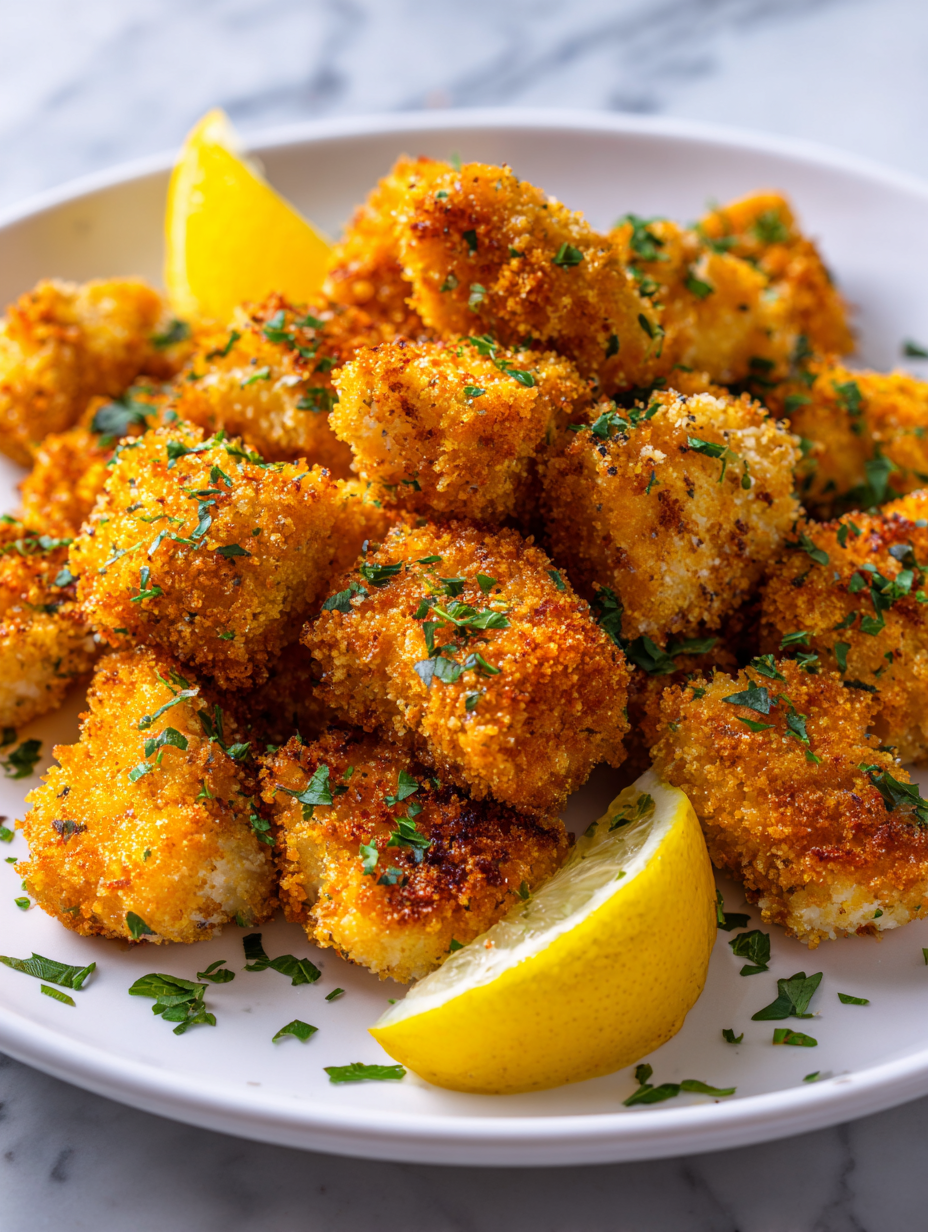
There’s a quiet charm in focusing on chicken cut into neat little cubes. It’s not about fancy marinades or complex sauces, but about highlighting the natural texture and flavor that can stand on its own or serve as a blank slate for whatever you’re craving. It’s a method I turn to when I want something quick, honest, and reliably tasty.
This recipe started out as a way to make a weeknight dinner feel a bit more intentional. I love how the edges get a little crispy while the insides stay juicy, all with minimal fuss. It’s the kind of dish that feels like a small victory—simple, adaptable, and honest about what it is. Plus, it’s a good reminder that sometimes, less is more, especially with chicken.
Focusing on the overlooked beauty of simple chicken cubes, highlighting how their texture and flavor evolve with minimal seasoning and quick cooking, making them a versatile canvas for both home cooks and busy weeknights.
The inspiration behind this dish
- This recipe came about during a busy week when I needed something quick, honest, and satisfying. One evening, I was chopping chicken for a stir-fry and thought, what if I just focused on those neat little cubes, cooked simply to bring out their natural juiciness and texture? It became my go-to for nights I didn’t want fuss, but still craved something flavorful and real.
- I remember the first time I cooked these cubes, I was surprised how the edges crisped up so nicely without much effort. The smell of caramelized chicken mingling with just a hint of salt and pepper made me realize how much flavor can be packed into something so straightforward. It’s a dish that’s honest, adaptable, and a little bit nostalgic for those simple, unpretentious meals.
- heading:
Key ingredients and their quirks
- Chicken breast: I like it lean and tender, but if you prefer juicier meat, try thighs. The texture is firmer when cooked properly and takes on quick seasoning beautifully.
- Soy sauce: Adds a salty umami punch that deepens the flavor. If you want to cut salt, use low-sodium soy, but don’t skip the savory boost.
- Cornstarch: I use it to give the chicken a light, crispy coating. For a gluten-free version, try rice flour—just watch the coating’s crispiness and adjust oil temperature.
- Garlic: I crush it fresh for a punch of aroma that blooms quickly. If pressed for time, garlic powder works but loses some of that vibrant, punchy scent.
- Cooking oil: I prefer neutral oils like canola or vegetable for high heat. If you’re out, light olive oil works but adds a subtle fruity note that’s nice with chicken.
- Lemon juice: Brightens the dish with a zesty tang. A splash right at the end keeps that fresh, citrusy aroma alive and vibrant.
- Black pepper: I grind it fresh for a sharp, spicy hit. For a milder flavor, reduce the amount, but don’t skip it entirely—it balances richness with heat.
Spotlight on key ingredients
Chicken breast:
- I prefer it lean and tender, but if you like juicier meat, try thighs. It keeps its shape well and absorbs flavors quickly.
- It’s firm and slightly chewy when cooked properly, offering a clean, mild flavor that’s perfect for quick cooking.
Soy sauce:
- I love how it adds a deep umami punch and a hint of saltiness. The smell of it simmering is almost addictive.
- It gives the chicken a rich, savory backbone that balances the crispy exterior and keeps things from tasting flat.
Notes for ingredient swaps
- Dairy-Free: Swap soy sauce for coconut aminos to keep it salty and umami without dairy. It’s slightly sweeter and less sharp.
- Low-Sodium: Use reduced-sodium soy sauce to control salt, especially if you’re watching your intake. The flavor stays rich, just less salty.
- Gluten-Free: Rice flour or tapioca starch can replace cornstarch for coating. They give a slightly different crispiness but work well.
- Vegetarian: Tofu cubes can stand in for chicken. Use firm tofu, pressed well, and lightly coated for crunch.
- Citrus Variations: Lime juice or orange juice can replace lemon for a different zing. Lime adds a sharper, more tart brightness.
- Oil Choices: Avocado oil has a high smoke point and neutral flavor. If you only have butter, use a small amount, but watch the temperature.
- Herb Swaps: Fresh thyme or oregano can replace garlic for an herbal note. Add at the same stage for aroma and flavor.
Equipment & Tools
- Chef’s knife: For precise, uniform cutting of chicken into cubes.
- Cutting board: Provides a stable surface for chopping.
- Non-stick skillet or cast-iron pan: Ensures even browning and easy flipping.
- Spatula: For turning chicken and mixing ingredients.
- Small bowl: Hold cornstarch coating mixture.
Step-by-step guide to chicken cubes
- Equipment & Tools: Use a sharp chef’s knife for precise cubes, a sturdy cutting board, a large non-stick skillet or cast-iron pan for even browning, and a spatula for turning. Have a small bowl ready for cornstarch and a plate for resting cooked chicken.
- Prepare the chicken: Cut 500g of chicken breast into 1.5 cm (half-inch) cubes. Pat dry with paper towels to remove excess moisture. Toss the cubes in 2 tbsp cornstarch until lightly coated.
- Heat the pan: Place your skillet over medium-high heat (~200°C/390°F). Add 2 tbsp neutral oil (canola or vegetable). When shimmering and just starting to smoke, you’re ready.
- Cook in batches: Spread the chicken cubes in a single layer. Let them cook undisturbed for about 2-3 minutes until edges turn golden. Flip and cook another 2-3 minutes. If overcrowded, chicken will steam instead of crisp.
- Check for doneness: The chicken should be golden and slightly crispy outside, juicy inside. Adjust heat if sticking or burning; turn down if necessary. Add a splash of oil if the pan gets dry.
- Add garlic: Push chicken aside, lower heat to medium (~160°C/320°F). Add 2 minced garlic cloves and cook for 30 seconds until fragrant but not browned. Mix with chicken and cook further for 1 minute.
- Final touches: Squeeze fresh lemon juice (1 tbsp) over the chicken, stir to coat, and cook for another 30 seconds. Taste and adjust salt or pepper if needed.
- Rest and plate: Transfer chicken cubes to a plate. Let rest for 2 minutes — this keeps juices sealed. Serve hot, either on its own or over rice or salad.
Transfer cooked chicken to a plate, let rest for 2 minutes to retain juices. Serve immediately with your choice of sides or toppings.
How to Know It’s Done
- Edges are golden and crispy, not pale or soggy.
- Juices run clear when pressed, not pink or bloody.
- A probe inserted into thickest piece reads around 75°C (165°F).
Simple Crispy Chicken Cubes
Ingredients
Equipment
Method
- Start by cutting the chicken breast into neat, 1.5 cm (half-inch) cubes using a sharp chef's knife on a stable cutting board. Pat the cubes dry with paper towels to ensure they crisp up nicely.
- Toss the chicken cubes in cornstarch until they are lightly coated. This thin layer will help create a crispy exterior when cooked.
- Heat your skillet over medium-high heat until it's shimmering and just begins to smoke. Pour in the neutral cooking oil and swirl to coat the surface evenly.
- Carefully add the chicken cubes in a single layer, ensuring not to overcrowd the pan. Let them cook undisturbed for about 2-3 minutes until the edges turn golden brown and crispy.
- Flip the chicken cubes using a spatula, cooking for another 2-3 minutes until all sides are golden and crispy. The chicken should be firm and slightly chewy with a fragrant aroma of browning meat.
- Push the cooked chicken to one side of the pan. Add the minced garlic to the empty space and cook for about 30 seconds until fragrant, being careful not to burn it.
- Mix the garlic with the chicken, then squeeze fresh lemon juice over everything. Stir well to coat the chicken with the zesty flavor, cooking for another 30 seconds to meld the flavors.
- Season with salt and freshly ground black pepper to taste, adjusting as needed. The chicken should be hot, crispy, and bursting with aroma.
- Remove the chicken from the skillet and transfer to a plate. Let it rest for 2 minutes to allow the juices to redistribute, ensuring each bite stays juicy.
- Serve the crispy chicken cubes immediately, on their own or over rice, salad, or your favorite sides.
Notes
Pro tips for perfect chicken cubes
- Use high heat for quick searing—listen for a sharp crackle as the chicken hits the pan.
- Keep the chicken in a single layer—crowding lowers temperature and softens the crisp edges.
- Toss the cubes in cornstarch just before cooking—this creates a light, airy crust that stays crispy.
- Add garlic after searing—this prevents burning and keeps its bright, pungent aroma intact.
- Squeeze lemon at the end—brightens flavor and refreshes the crispy exterior with a zesty lift.
- Rest the cooked chicken briefly—allows juices to redistribute and keeps each bite juicy.
- Use a splatter guard—protects your stove and keeps oil from popping, especially when flipping.
Common mistakes and how to fix them
- FORGOT to dry chicken: leads to soggy coating. Pat dry before coating.
- DUMPED oil too early: chicken sticks. Wait until pan shimmers and oil is hot.
- OVER-TORCHED chicken: turns bitter. Keep heat medium-high, not maximum.
- SKIPPED resting: juices run out. Rest chicken 2 minutes before serving.
Quick kitchen fixes
- If chicken sticks, splash a little water or broth to loosen. Adds flavor and prevents burning.
- When coating with cornstarch, rescue a clumpy batch by sifting it thinly over the chicken.
- Splash a few drops of lemon juice when the pan is too smoky—calms the burn smell quickly.
- Patch over uneven cooking by turning chicken to a cooler part of the pan or lowering heat.
- Shield delicate pieces with a paper towel if oil shimmers too much or crackles loudly.
Prep, store, and reheat tips
- Prep the chicken cubes: trim, cut, and coat in cornstarch up to a day in advance. Keep in an airtight container in the fridge. The coating stays light and crispy when kept dry.
- Storage: Refrigerate cooked chicken cubes in an airtight container for up to 3 days. Reheat gently to keep texture—avoid microwave overheating which can make them rubbery.
- Shelf life: Best enjoyed fresh within 2-3 days. After that, flavors diminish, and texture can become soggy. Use smell as a guide—if it smells off, discard.
- Reheating: Warm in a hot skillet over medium-high heat for 2-3 minutes, stirring often. You want that crispy exterior to re-emerge and smell of toasted chicken and garlic.
- Sensory note: The reheated chicken should smell savory and roasted, with a slight crackle when stirred. The texture should be firm and slightly crisp around the edges.
Top questions about chicken cubes
1. How do I know when chicken cubes are cooked through?
Cook chicken cubes until they are golden on the outside and no longer pink inside, about 6-8 minutes total, flipping occasionally. Use a thermometer to check that the internal temperature reaches 75°C (165°F).
2. Why is my chicken sticking to the pan?
To prevent sticking, make sure the pan is hot and the oil is shimmering before adding the chicken. Don’t overcrowd the pan; cook in batches if needed.
3. Can I use olive oil instead of neutral oil?
Use neutral oils like canola or vegetable oil for high heat. If using olive oil, choose light or refined varieties to avoid smoking.
4. Can I use thighs instead of breasts?
Yes, you can substitute chicken thighs for breasts. Thighs are juicier and more forgiving, but they may take an extra minute or two to cook.
5. When should I add lemon juice?
Adding lemon juice at the end brightens the dish with a fresh, zingy aroma. It helps cut through the richness of the chicken.
6. How do I avoid dry chicken cubes?
Overcooking leads to dry, tough chicken. Keep an eye on the color and internal temperature, and remove from heat once done.
7. How do I get crispy chicken cubes?
Coat the chicken cubes evenly with cornstarch just before cooking for a crisp exterior. Toss gently to avoid clumping.
8. Should I rest the chicken after cooking?
Rest the cooked chicken for 2 minutes before serving. This helps retain juices and improves texture.
9. How should I store and reheat leftovers?
Store leftovers in an airtight container in the fridge for up to 3 days. Reheat in a hot skillet for best texture.
10. What if my chicken is sticking or burning?
If chicken sticks or burns, splash a little water or broth to loosen. Use a spatula to gently scrape up bits and keep the crust intact.
Cooking these chicken cubes might seem simple, but it’s a small act of honest nourishment—focused on texture, aroma, and that satisfying sizzle. It’s a reminder that good flavor often comes from straightforward techniques and quality ingredients, especially in a busy kitchen.
When you serve these up, you’re not just making dinner—you’re creating a moment of real, unpolished joy. It’s a dish that’s easy to love, adaptable, and rooted in the quiet beauty of well-cooked chicken. Sometimes, that’s all you need to get through a hectic weeknight.

Hi, I’m Hannah Reynolds, the heart behind Seasoning Therapist. I believe food can comfort, restore, and gently reset us after a long day. I started Seasoning Therapist with one simple idea in mind: cooking is not just about feeding the body, it is about caring for the mind too. The right seasoning can change the mood of a dish, and sometimes even the mood of the person eating it. This blog is where I combine my love for thoughtful cooking with my belief that the kitchen can be a place of healing.
